How Long Do Calming Herbs Take to Work?
Last Updated: November 3, 2026
Quick Summary
Calming herbs take anywhere from 30 to 60 minutes for fast-acting options such as chamomile, lemon balm, passionflower and lavender, while gradual adaptogens like ashwagandha typically need two to eight weeks of consistent daily use. Preparation matters too, as liquid tinctures absorb faster than dried herbs steeped in tea.
- Chamomile tea typically takes 30 to 60 minutes, while chamomile tincture takes 30 to 45 minutes.
- Lemon balm tea sits at 45 to 90 minutes, but the tincture works in 30 to 60 minutes.
- Lavender tincture or aroma acts fastest, with a typical onset of 15 to 45 minutes.
- Ashwagandha needs two to eight weeks of daily use, and missed days reset the clock.
- Reassess a fast herb after a week and an adaptogen after four to eight weeks.
Table of Contents
- Why Calming Herbs Work on Different Timelines
- A Realistic Onset Timeline by Herb and Preparation
- How Long Does Ashwagandha Take to Work?
- Herbs for Anxiety: What the Evidence Actually Shows
- How to Use Herbs to Calm Anxiety in a Daily Routine
- Herbal Tinctures for Anxiety: Why Preparation Changes Response Time
- What to Do When a Herb Does Not Seem to Work
- Building Your Calming Herbal Routine with a Tincture
- Frequently Asked Questions
Why Calming Herbs Work on Different Timelines
Ask how long do calming herbs take to work and the honest answer is: it depends on the herb, the preparation and your own body. Some herbs are described as acting within 30 to 60 minutes. Others are generally described as building gradually over days to weeks of consistent use.
At Blooming Blends, we make alcohol-free tinctures for people who want plant-based support without tablets. Understanding onset times helps you choose the right herb for the right moment.
Three factors drive the timeline:
- The herb itself. Chamomile and lemon balm act quickly. Ashwagandha works more slowly.
- The preparation. A liquid extract absorbs faster than dried herbs in a tea.
- Your individual response. Body weight, stress levels and how regularly you take it all matter.
Here is the key point most guides miss. Fast relief and deep support are different jobs. Pick the herb that matches the job.
A Realistic Onset Timeline by Herb and Preparation
Onset of action varies widely across calming herbs. Fast-acting options show effects in under an hour, while adaptogenic herbs need days to weeks of consistent use before you notice a real shift. The table below summarises typical ranges by herb and preparation, with a confidence note so you can judge how much weight to place on each timeframe. These are typical ranges, not guarantees.
| Herb | Preparation | Typical Onset | Evidence Confidence | Best For |
|---|---|---|---|---|
| Chamomile | Tea (steeped 5-10 minutes) | 30-60 minutes | Moderate for mild calming; limited for clinical anxiety | Evening wind-down |
| Chamomile | Tincture | 30-45 minutes | Limited; mostly traditional use | Daytime tension |
| Lemon balm | Tea | 45-90 minutes | Limited; small studies suggest calm | Daytime nerves |
| Lemon balm | Tincture | 30-60 minutes | Limited; traditional use | Racing thoughts |
| Passionflower | Tincture | 30-60 minutes | Low to moderate; small trials | Pre-sleep calm |
| Lavender | Tincture or aroma | 15-45 minutes | Moderate for aroma; limited for oral use | Calm before sleep |
| Ashwagandha | Tincture or capsule | 2-8 weeks | Moderate for stress markers; mixed for anxiety | Ongoing stress support |
| Valerian | Tea or tincture | 30-120 minutes | Mixed; some find no effect | Sleep onset |
Fast-Acting Herbs: 30 to 60 Minutes
Chamomile, lemon balm, passionflower and lavender are the quick workers. A tincture taken under the tongue or in water can bring a gentle calming effect within 30 to 60 minutes. Teas tend to sit at the slower end of that range because the active compounds must first be extracted into hot water; a covered cup and a 5-10 minute steep helps.
These herbs suit moments when life feels unsettled. A difficult meeting. A restless evening. A busy afternoon that needs a pause. They are not sedatives, so the effect is usually described as a softening of tension rather than drowsiness.
Gradual Herbs: Days to Weeks
Ashwagandha is the classic gradual herb. It is an adaptogen, meaning it supports your body's response to stress over time rather than sedating you on the spot. Expect to wait days to weeks before you notice a beneficial effect. Consistency matters more than dose size here.
If you miss several days, the clock effectively resets, so a daily reminder or pairing the dose with an existing habit helps.
Why Preparation Changes the Clock
A liquid extract absorbs faster than dried herbs in a tea because the plant compounds are already extracted and concentrated. Capsules sit in between: they protect the herb but must dissolve before release.
How to Track Your Own Response
Note the herb, the preparation, the dose, the time and how you felt, once a day for two weeks. Patterns become obvious fast: you may find a tea works better in the evening while a tincture suits a tense afternoon. If nothing changes after a fair trial, do not increase the dose; reassess the product, the timing or whether a herb suits you at all.
How Long Does Ashwagandha Take to Work?
Ashwagandha typically takes two to eight weeks of consistent daily use before you notice a clear difference in stress levels. A review of herbs used for stress reports that studies commonly assessed outcomes over periods of up to 8 weeks.
A common mistake is expecting ashwagandha to feel like a sedative. It does not.
If you want to try ashwagandha in liquid form, explore our Ashwagandha Tinctures to see the blends we make.
Herbs for Anxiety: What the Evidence Actually Shows
Herbal remedies for anxiety have some research behind them, but the evidence is not settled. A Mayo Clinic overview of herbal treatments for anxiety notes that some herbs have been studied, yet more research is needed to understand their risks and benefits. The practical takeaway is to separate herbs with reasonable human evidence from those with only traditional use.
Where the Evidence Is Stronger
One Medical News Today report on herbs for anxiety describes a study where 60 participants with mild anxiety received 240 mg of ashwagandha or a placebo for 60 days. That is a small, short trial, so it does not confirm a guaranteed outcome for everyone, but it is more than most herbs have.
Where the Evidence Is Weaker
Many products combine several herbs, which makes it hard to know which ingredient is doing the work. Traditional use is not the same as proven benefit. If a label makes a strong claim without a named study or standardised amount, treat it with caution.
What This Means for You
They work best alongside sleep, movement and stress management. A fair trial means the right preparation, a consistent dose and enough time: an hour for fast herbs, several weeks for adaptogens.
Watch out: if anxiety is affecting your daily life, speak to your GP before self-treating. Herbs can interact with prescription medication, including antidepressants, benzodiazepines and blood thinners, and some are not suitable in pregnancy or while breastfeeding.
When to Reassess or Stop
Set a review point before you start. For a fast herb, reassess after a week of use; for an adaptogen, after four to eight weeks. Stop and seek advice if you notice new or worsening symptoms, an allergic reaction, or any interaction with medicines. Do not increase the dose beyond the label to speed things up.
How to Use Herbs to Calm Anxiety in a Daily Routine
The most effective way to use calming herbs is a simple daily routine: a fast-acting herb for tough moments and a gradual herb for ongoing support. Consistency beats intensity.
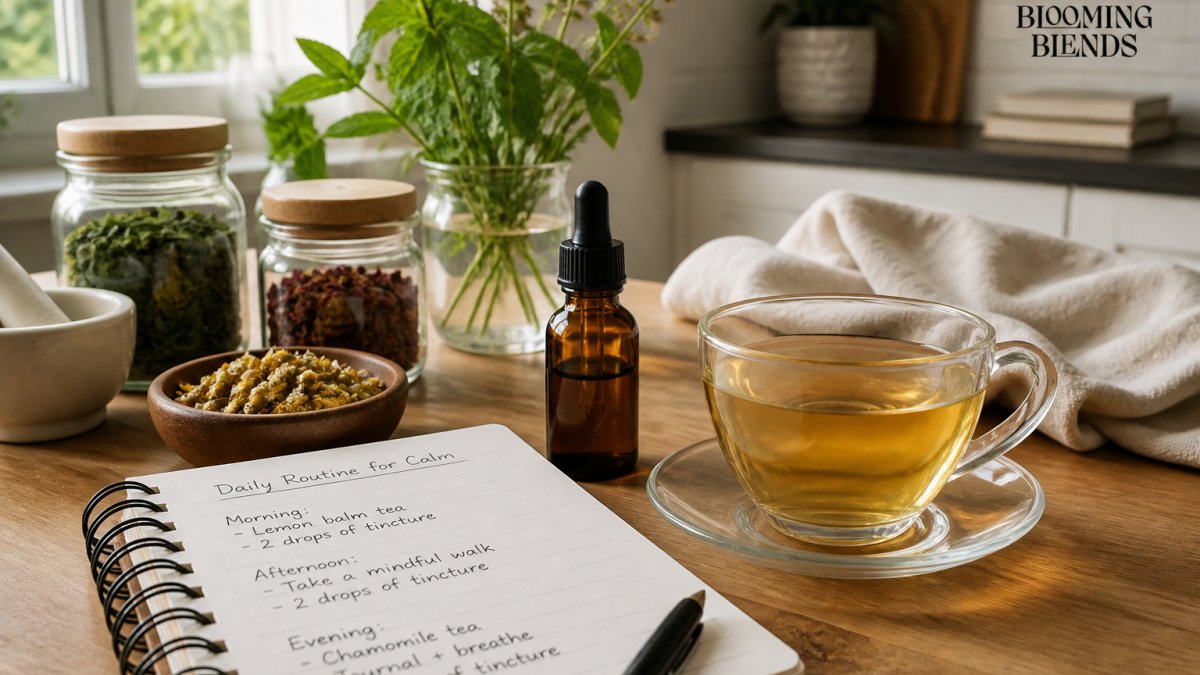
Here is a routine that works for busy days:
- Morning: a few drops of a gradual herb such as ashwagandha in water.
- Midday: a fast-acting blend if the day gets tense.
- Evening: a calming tincture as part of your wind-down.
New to tinctures? Our Beginner's Guide to Botanical Tinctures explains dosage and what to expect. For timing and duration, read how to take herbal tinctures daily.
Herbal Tinctures for Anxiety: Why Preparation Changes Response Time
Preparation format directly affects how fast a herb works. A liquid tincture delivers plant compounds in a concentrated, easy-to-absorb form, so onset is often quicker than with dried herbs steeped in tea.
Dried herbs need time to release their active ingredients into hot water. Tinctures are already extracted, so your body can take them up faster.
Alcohol-free tinctures raise a fair question: are they as effective? The answer depends on quality. A well-made glycerin-based extract still captures the plant's active ingredients. If you are weighing formats, our article on whether alcohol-free tinctures for anxiety are effective covers the detail.
What to Do When a Herb Does Not Seem to Work
If a herb has not worked after a fair trial, do not simply increase the dose. Work through these decision points instead:
- Check your timeline. Fast herbs should show effects within an hour. Gradual herbs need weeks.
- Check consistency. Missed days reset the clock on adaptogens.
- Check the product. Low-quality extracts may contain little active ingredient.
- Check your expectations. Herbs support calm; they do not erase stress.
- Check with your GP. Persistent symptoms deserve medical advice.
A simple tracking method: note the herb, the dose, the time and how you felt, once a day for two weeks. Patterns become obvious fast.
Building Your Calming Herbal Routine with a Tincture
A calming routine works best when it is easy to keep. That is why we make our tinctures as simple drops you can add to water, tea or take under the tongue.
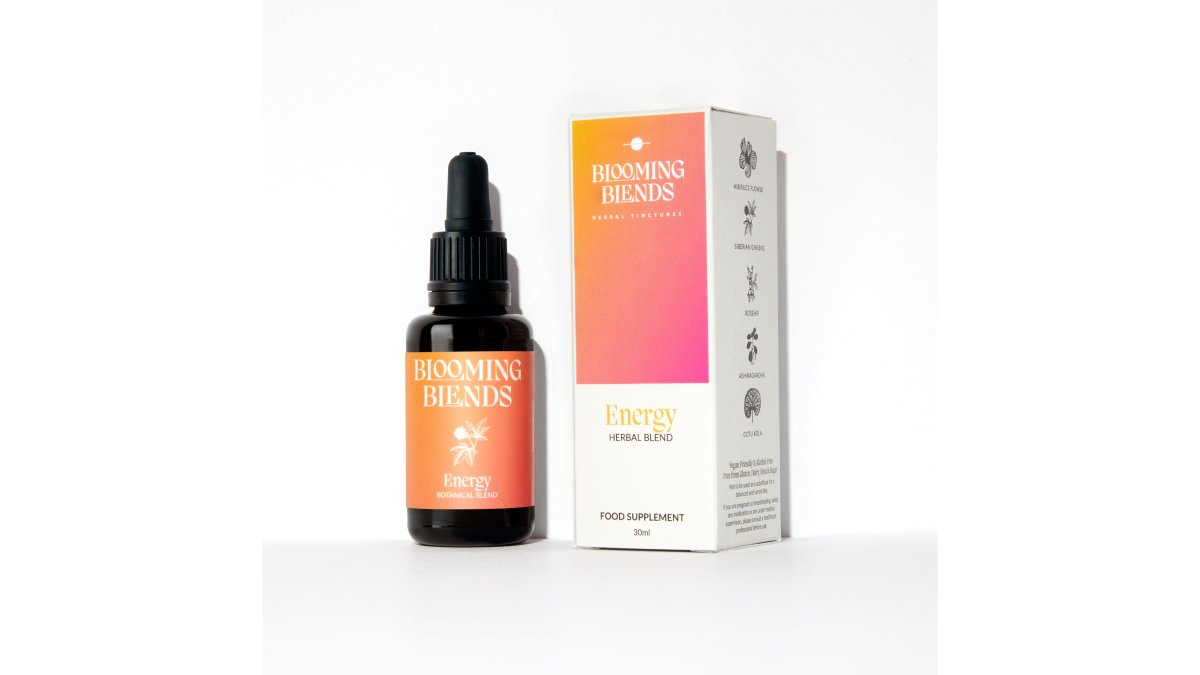
Our CALM Organic Tincture brings together six certified organic herbs, including ashwagandha, lemon balm and passionflower, in one alcohol-free blend. It is certified organic by the Soil Association (GB-ORG-05) and costs £32.00 for a 50ml bottle.

For evenings, NIGHTTIME combines ashwagandha, lavender, chamomile and passionflower in one alcohol-free tincture.
Both suit a busy routine: portable, easy-to-take liquid drops, with no tablets, fillers or binders.
Frequently Asked Questions
Can calming herbs work straight away?
Some do, but not all. Ashwagandha and other adaptogenic herbs work differently: they build up over days to weeks of consistent use.
How often should you take calming herbs, and can you take them every day?
Most calming herbs are taken once or twice daily, and consistency matters more than dose for gradual herbs like ashwagandha. If you take any calming herb daily, plan a review point at around 8 weeks and speak to your GP or a pharmacist before continuing, especially if you take prescription medication.
Are calming herbs safe to take with medicines?
Not automatically. Herbal remedies can interact with prescription medication, and the evidence base for those interactions is incomplete. Before starting any calming herb, check with your GP or pharmacist, particularly if you take medication for blood pressure, thyroid function, sleep or mood, or if you are pregnant, breastfeeding or managing a long-term condition.
What affects how quickly calming herbs work?
Several things: the herb itself, the preparation (a tincture or tea typically acts faster than a capsule), your individual response, how consistent you are, and whether you are also addressing the source of the stress. Track your own response in a short daily note so you can tell whether a herb is helping rather than guessing.
Building a calming routine should feel simple, not like another task on your list. Blooming Blends makes small-batch, alcohol-free tinctures designed to slot into real life, with concentrated liquid drops you can adjust to suit your day. Get started with Blooming Blends and find your calmer moments, one drop at a time.