Article: 5 Herbs for Focus and Concentration Worth Trying
5 Herbs for Focus and Concentration Worth Trying
Last Updated: November 26, 2026
Quick Summary
The herbs for focus most often discussed are ginkgo biloba, sage, rosemary, bacopa monnieri, rhodiola, ginseng and gotu kola, though the evidence behind them is modest. A 2025 systematic review found limited evidence for natural extracts and cognitive function in healthy adults, so choose well rather than expect miracles.
- Ginkgo biloba is the herb most often linked with circulation and blood flow to the brain.
- Most human research on sage and rosemary has looked at supplements, food amounts or rosemary aroma rather than tincture.
- Bacopa monnieri is traditionally used for memory and needs weeks of steady use before any change appears.
- Rhodiola and ginseng are reached for when fatigue, not memory, is the real problem.
- Dropper sizes vary between bottles, so never assume a full dropper equals 1 ml.
Table of Contents
- Herbs for Focus and Concentration: What the Evidence Says
- How to Take Herbal Tinctures: A Simple Step-by-Step
- Herbal Tincture Dosage: Reading the Label First
- Herbal Tincture Safety and Interactions to Check
- Tinctures vs Capsules and Teas: Which Format Suits You
- Find Your Blend
- Frequently Asked Questions
Herbs for Focus and Concentration: What the Evidence Says
Herbal tinctures are liquid herbal preparations taken in small measured servings, and the honest starting point for anyone weighing up herbs for focus and concentration is that the evidence behind most of them is modest.
Below, we explain what each herb is traditionally used for, what research actually suggests, and how to take a tincture properly.
How to Read the Evidence Behind a Focus Herb
Before the herb-by-herb notes, it helps to know how to weigh a claim. Three kinds of evidence get mixed together in most round-ups, and they are not equal.
- Traditional use tells us a herb has been taken for a long time for a particular purpose. It is useful context, not proof.
- Laboratory and animal findings can suggest a mechanism, such as an effect on blood flow or on chemical messengers in the brain. They do not show that a person taking a tincture will notice a change.
- Human studies in healthy adults are the strongest guide, and even these vary in size, duration and the form of herb tested.
A common pattern is that a herb shows promise in small or short studies, then the picture becomes more mixed as larger trials are done.
Ginkgo Biloba and Circulation
Ginkgo biloba is the herb most often linked with circulation and blood flow to the brain.
The mechanism usually discussed is improved circulation, including blood flow to the brain. Human study results on memory and attention are mixed.
Ginkgo also has well-documented interactions with some medicines, particularly blood-thinning medication, so it is one to raise with a pharmacist or doctor before you start.
Sage, Rosemary and Alertness
Sage and rosemary are the kitchen herbs with the strongest folk reputation for alertness. Both herbs have a long folk association with mental clarity.
Most human research on these two has looked at sage as a supplement or in food amounts, and at rosemary aroma rather than tincture. These herbs are gentle and familiar, but they will not replace sleep or a proper break.
Bacopa Monnieri and Memory
Bacopa monnieri, also called Brahmi, is a traditional Ayurvedic herb used for memory and cognitive support. It is one of the better-known nootropic herbs in the West.
A review of plant nootropics notes that most plant nootropics need to be taken at suitable doses for an extended period before any measurable change appears, while generally being well tolerated.
Rhodiola, Ginseng and Mental Energy
Rhodiola rosea and ginseng are the herbs people reach for when fatigue, not memory, is the real problem.
Rhodiola and ginseng have a long traditional association with stamina and stress resilience. Neither is a substitute for rest.
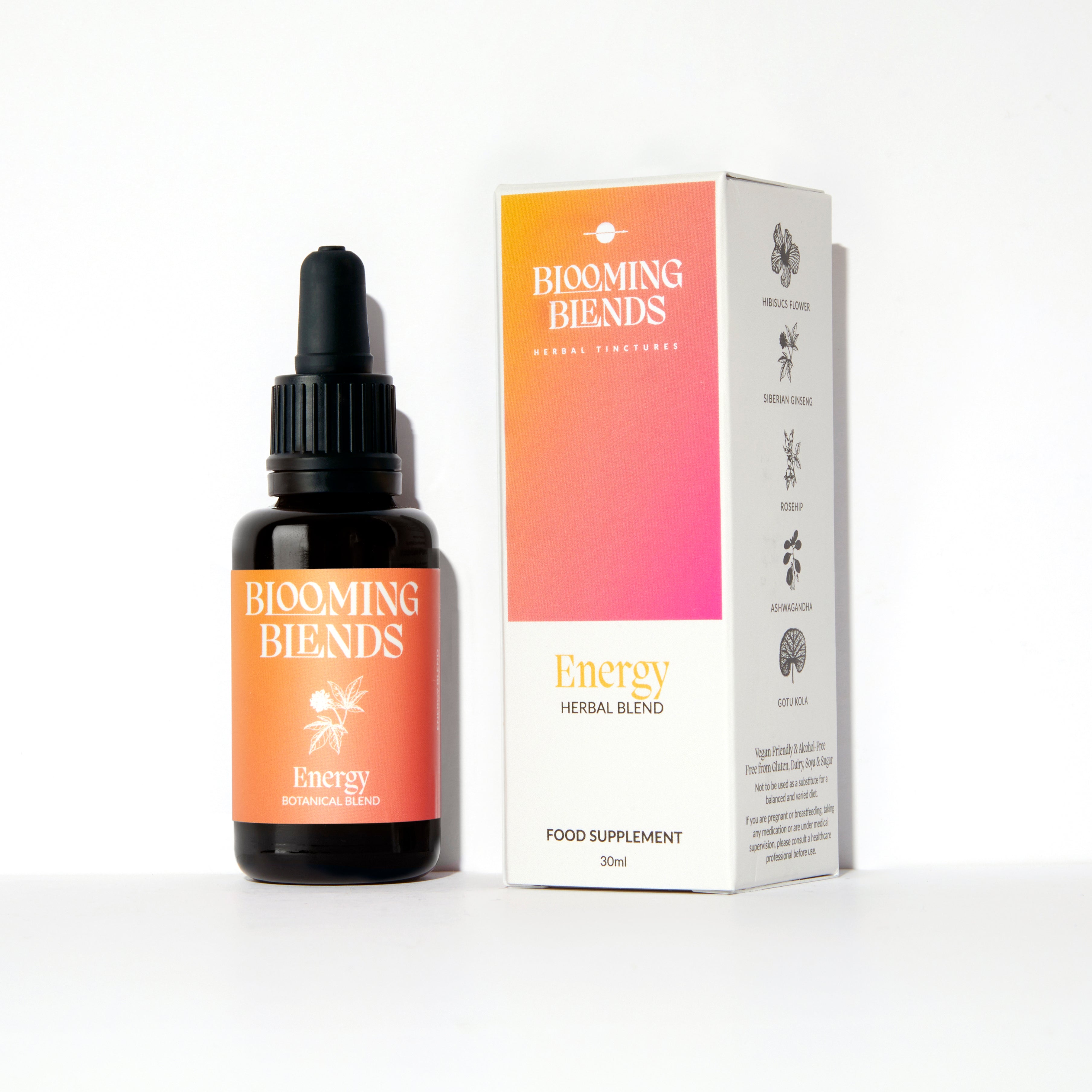
If that sounds like your situation, our ENERGY Tincture brings together ashwagandha, rosehip, Siberian ginseng, gotu kola and hibiscus in a smooth, caffeine-free blend for early starts and busy afternoons.
Gotu Kola and Brain Support
Gotu kola, also called Centella asiatica, is a traditional herb used across parts of Asia for wound healing and for mental clarity. It appears in many focus blends, often alongside bacopa or ginseng.
Gotu kola is best treated as a traditional ingredient rather than a proven one.
Blends and Synergistic Formulations
Many focus products combine several herbs rather than relying on one. The traditional idea is that herbs work together, but a blend is harder to assess than a single herb, because you cannot tell which ingredient is doing what.
That is not a reason to avoid blends. Our article on herbal blends for calm and focus explains how calm and focus differ and how to read labels and evidence when choosing a blend.
How to Take Herbal Tinctures: A Simple Step-by-Step
Taking a herbal tincture comes down to five steps: choose a blend that matches your need, read the label, measure the stated serving, follow the method on the bottle, and pick a time that fits its directions.
- Choose your blend based on when you plan to use it, not on the name alone.
- Read the label before opening the bottle, including the serving size and any cautions.
- Measure the stated serving using the dropper supplied with that bottle.
- Follow the method given, whether that is taking it directly or mixing it into a drink.
- Pick a consistent time that matches the product's directions.
Watch out: dropper sizes vary between bottles, so never assume a full dropper equals 1 ml. Your bottle's label is the only reliable guide.
Herbal Tincture Dosage: Reading the Label First
Herbal tincture dosage is set by the product, not by guesswork. Each bottle states its own serving size, and that figure is the one to follow.
What to Look For on a Tincture Label
A well-labelled tincture tells you more than the herb name. Look for these details before you buy or open a bottle:
- The herb and plant part used. Leaf, root and aerial parts can differ in what they contain.
- The extraction base. Tinctures are usually made with alcohol or with a non-alcoholic base such as glycerine. Our tinctures are alcohol-free, which means the finished product contains no alcohol; it does not mean no alcohol was used at any stage of extraction.
- The extract ratio. This shows how much raw herb went into the finished liquid, often written as a ratio such as 1:3. A lower second number generally means a more concentrated extract, but ratios are not standardised across brands.
Why You Should Not Assume a Full Dropper Is 1 ml
Dropper capacities differ between bottles, and so do the directions that come with them. A full dropper from one bottle may not deliver the same volume as a full dropper from another.
If you are unsure how to measure accurately, our guide on how to measure tincture servings walks through it step by step.
Strength, Serving and Value
It is tempting to compare bottles by size alone, but size does not tell you strength or how many servings you will get. Compare the stated serving size and the number of servings per bottle, not just the volume.
Never increase the serving because you want faster results. More is not better with herbs, and the label exists for a reason.
Herbal Tincture Safety and Interactions to Check
Herbal tincture safety starts with one question: is this blend suitable for you?
Check the label for cautions before you begin. Our guide on checking tincture suitability with medication covers what to raise with them.
Store your bottle as its label directs, and check the date before use. If you are ever unsure, ask before you take it.
Tinctures vs Capsules and Teas: Which Format Suits You
Tinctures, capsules and teas each suit a different kind of day. Tinctures are liquid herbs taken in small measured servings, which makes them portable and simple to fit into a routine.
| Format | Best for | Watch out for |
|---|---|---|
| Tincture | Precise servings, travel, routine | Must follow label directions |
| Capsules | Fixed, tasteless dose | Less flexible serving size |
| Tea | A warm, slow moment | Weaker, variable strength |
If you want something you can carry and take in seconds, a tincture is the practical choice. If you enjoy the pause of making a cup, tea has its own value.
Find Your Blend
Focus and concentration are worth supporting, but the blend you choose should match your day. Start with the label, keep the serving as directed, and give it time rather than expecting an instant shift.
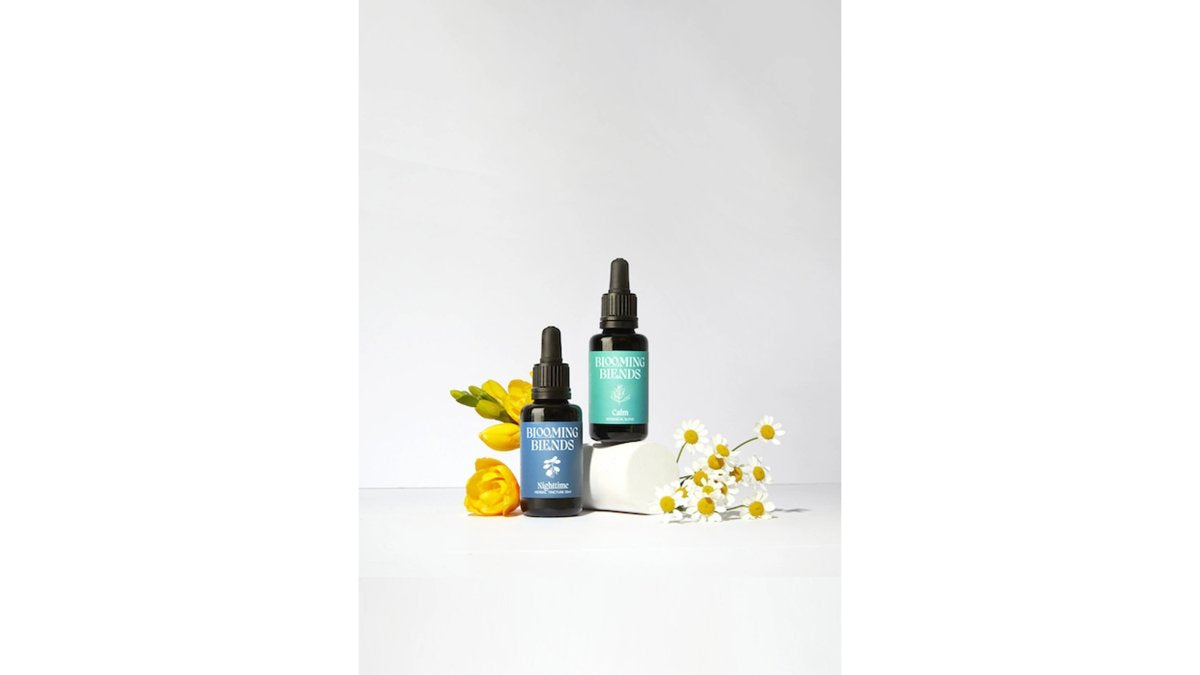
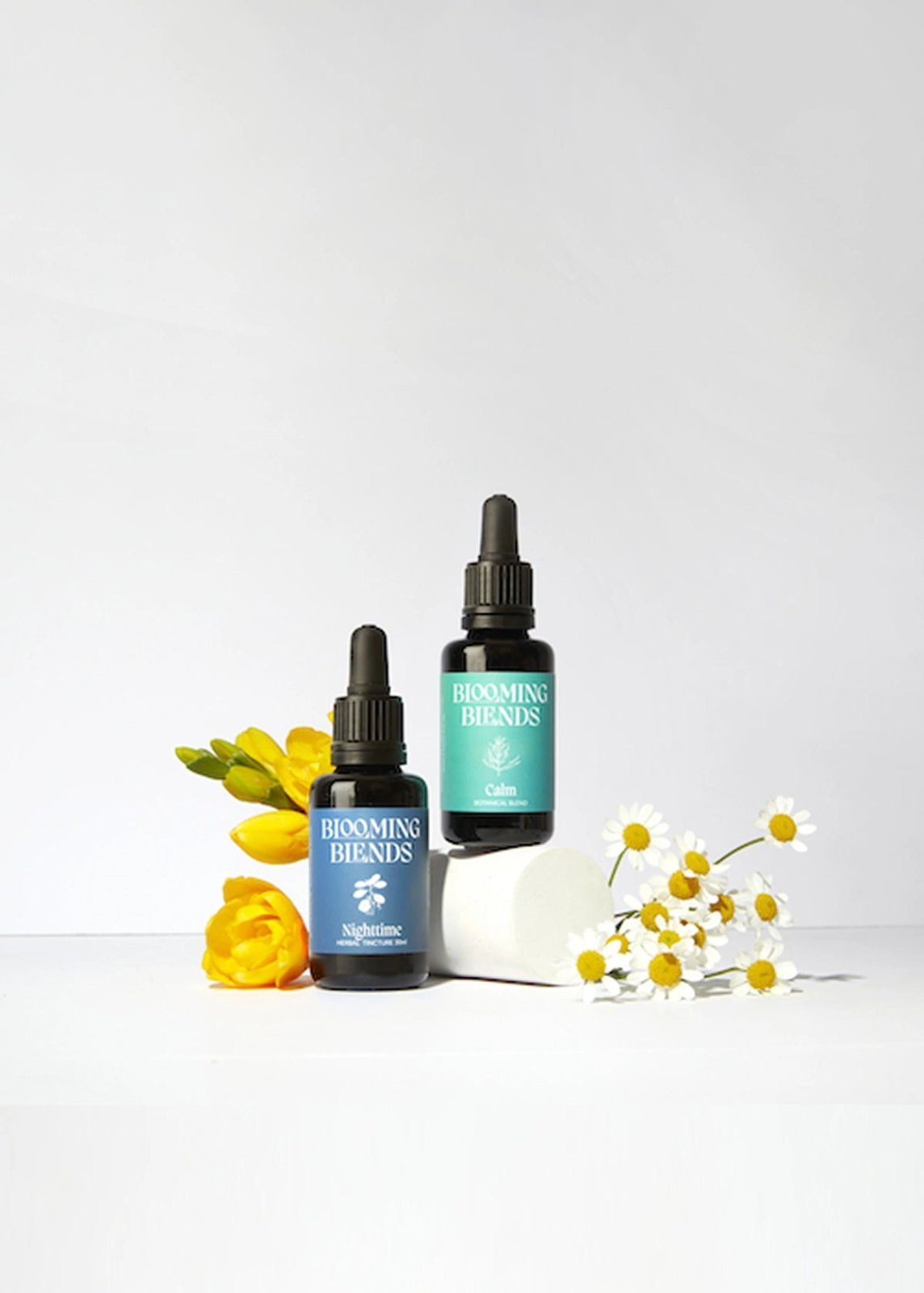
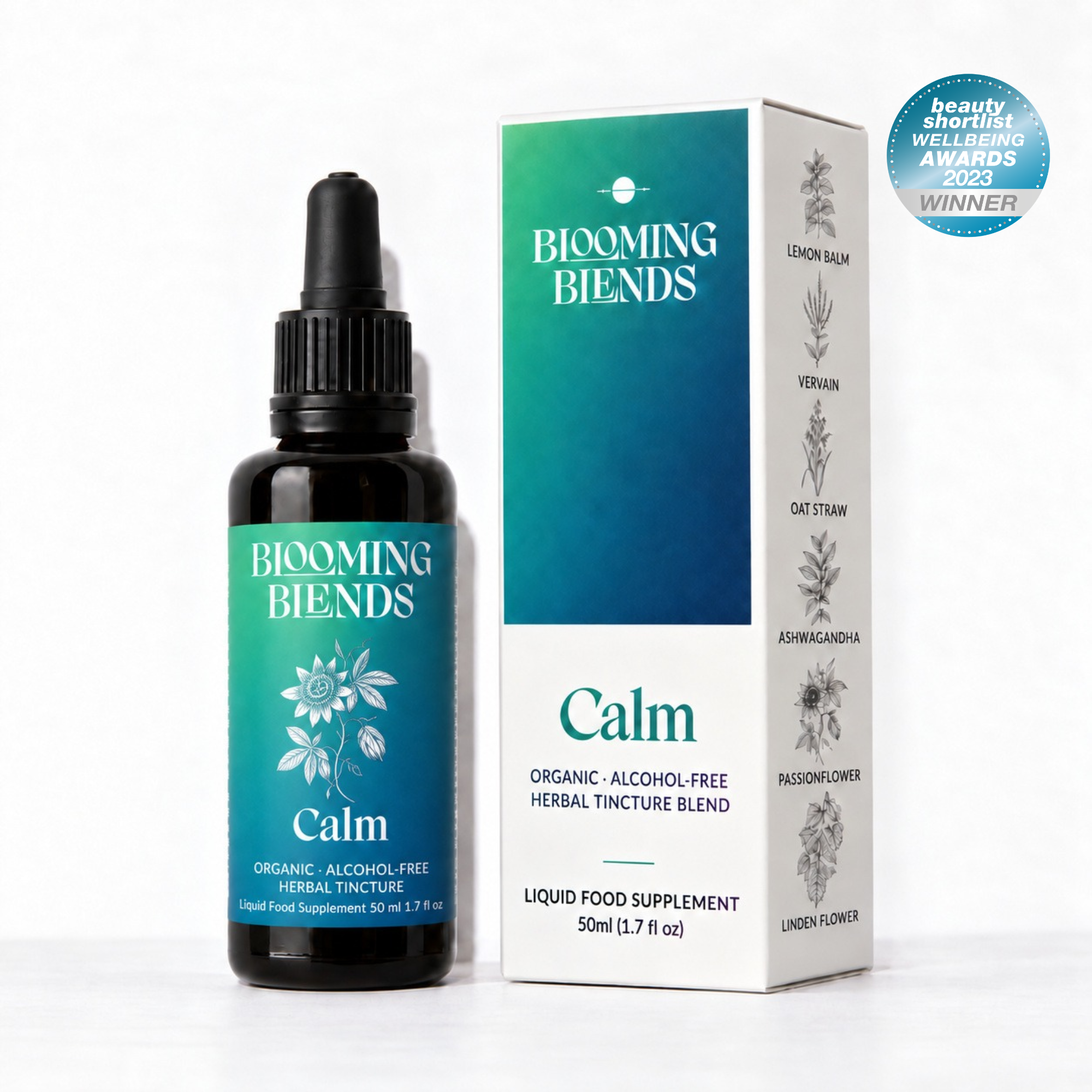
Our Calm tincture is a good fit for a quiet moment in a busy day. If mental energy is your priority, the ENERGY Tincture is caffeine-free and alcohol-free. Explore our Focus & Clarity collection to compare the blends and choose the one that suits you.
The honest challenge with herbs for focus is patience: the evidence is modest and results build slowly.
Frequently Asked Questions
How do you measure a serving of herbal tincture?
Follow the directions on your bottle rather than assuming a full dropper equals 1 ml, because dropper sizes vary between bottle sizes. At Blooming Blends, our 50 ml tinctures give 50 servings of 1 ml, but you should still check the label on the bottle you have. If the directions are unclear, contact the maker before taking it. Measuring into a small glass of water can make it easier to be consistent.
Can you take herbal tinctures every day?
Whether daily use is appropriate depends on the product and its label directions. Some blends are intended for regular use at a stated serving, while others are for occasional moments. Never increase the serving or frequency beyond what the label states. If you take prescribed medication, are pregnant or breastfeeding, or have a health condition, speak to a qualified healthcare professional before starting daily use.
Can you use more than one herbal tincture at a time?
Combining blends is not something to do without guidance, because herbs can overlap or interact. Check each label and speak to a qualified healthcare professional if you are unsure. If you are exploring options, our Calm and Night Time tinctures serve different moments, but we do not recommend stacking products without verified advice. Start with one blend and follow its directions before considering anything else.
Are herbal tinctures safe to take with medication?
Not necessarily. Some herbs can interact with prescribed medicines, including blood thinners and treatments for blood pressure or diabetes. Always check with your GP or pharmacist before taking a herbal tincture alongside medication, and mention every supplement you use. This is especially important if you take several medicines or have a long-term condition. A herbal tincture should never replace prescribed treatment.


Written by Fleur Sladen