Plant-Based Calm and Focus: What to Know About Herbal Blends
Last Updated: November 22, 2026
Quick Summary
Calm and focus are different outcomes, and herbal blends are best understood as support for how settled you feel rather than a way to sharpen concentration. Research often examines single ingredients rather than finished blends, so the evidence for any particular product is limited.
- Calm describes how settled you feel; focus describes holding your attention on a task.
- Traditional use and research findings are not the same, and should not be presented as proof of each other.
- Single-ingredient studies cannot be transferred to a finished blend.
- Check the full ingredient list, extract format, directions and cautions before choosing any herbal product.
- Speak with a pharmacist or qualified healthcare professional if you take medicines, are pregnant or are breastfeeding.
Table of Contents
- Calm and Focus Are Different Outcomes
- What the Evidence Does and Doesn't Show
- How to Read Herbal Supplement Labels and Check Safety
- Frequently Asked Questions
Calm and Focus Are Different Outcomes
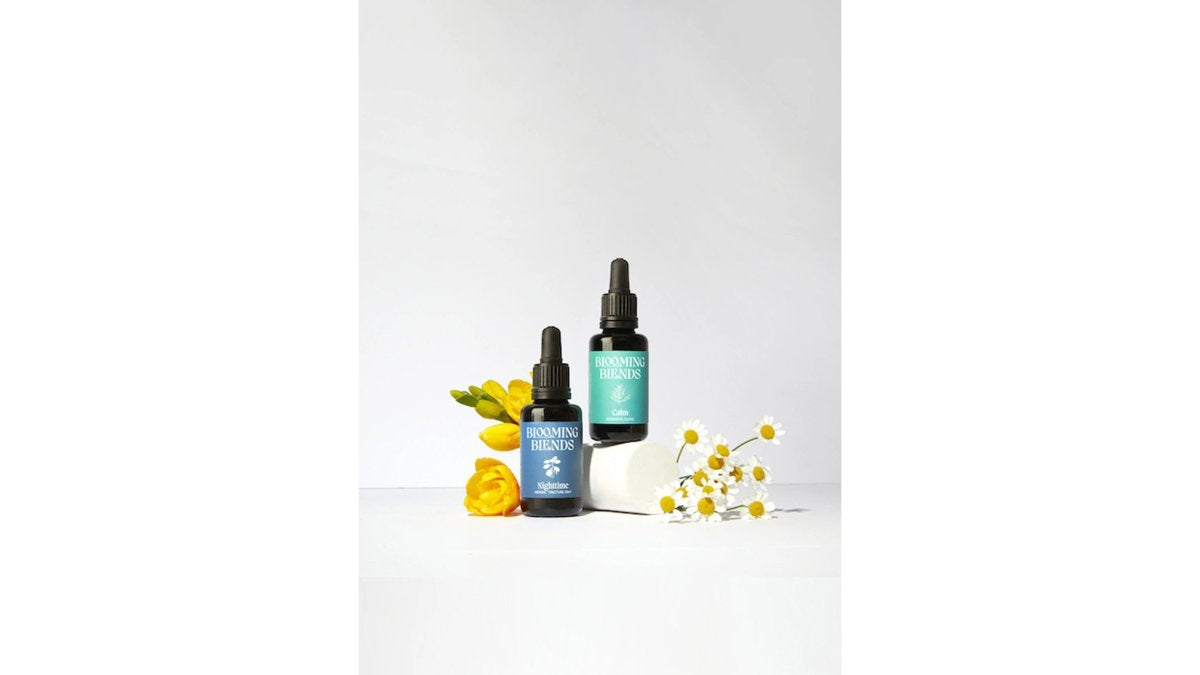
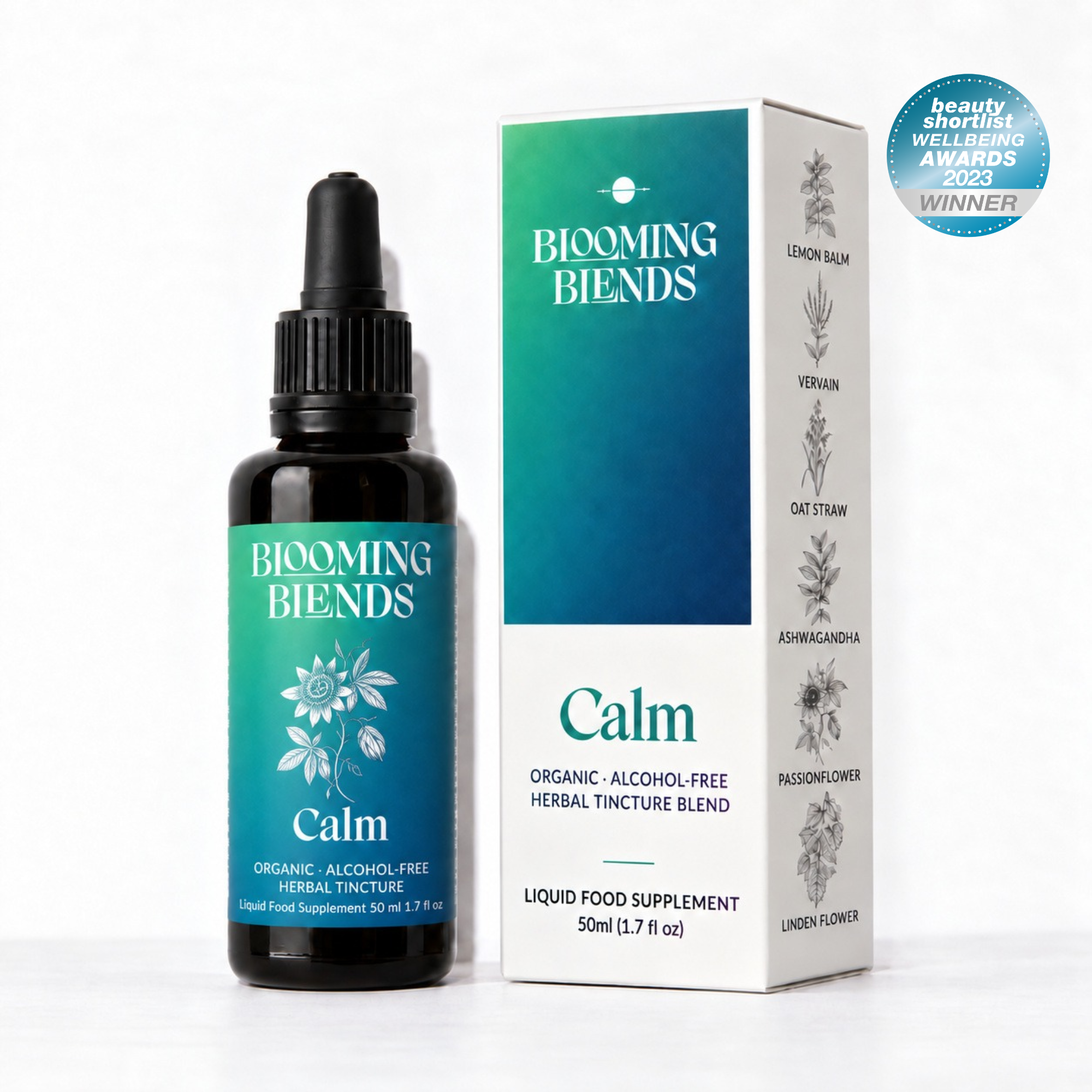
Calm and focus are often lumped together, but they describe different things. Calm is about how settled you feel; focus is about holding your attention on a task (Attention and Concentration - Humber Sensory Processing Hub). Our Calm blend is intended to support moments of rest and calm, not to sharpen concentration.
Many people reach for herbal blends hoping for a sense of ease at the end of a busy day. That is reasonable, but it helps to be clear about what any blend can and cannot be expected to do.
If you are curious about our Calm blend, you can see the verified details on our Calm page.
What the Evidence Does and Doesn't Show
Research on herbs is still developing, and much of it looks at single ingredients rather than finished blends. For a more cautious look at what the evidence says about tinctures and anxiety-related use, see our guide to alcohol-free tinctures for anxiety. Traditional use tells us how people have used a herb for generations; research findings tell us what studies have examined, often under specific conditions. These are not the same, and one should not be presented as proof of the other.
We do not transfer findings from one extract, dose or ingredient to a finished blend. To understand the evidence behind a herb, explore our full organic range and check each product's listed ingredients.
Research on herbs and traditional use are not the same thing, and the article keeps them apart. The table below summarises how to read each.
| Source of information | What it tells you | Limit to keep in mind |
|---|---|---|
| Traditional use | How people have used a herb for generations | Does not prove effectiveness |
| Research findings | What studies have examined, often under specific conditions | Often on single ingredients, not finished blends |
| Single-ingredient studies | Effects of one herb or extract | Not transferable to a blend |
| Our finished blends | The ingredients listed on the product | Check each product's listed ingredients |
How to Read Herbal Supplement Labels and Check Safety
Before you choose any herbal product, check the following:
- Full ingredient list: Know every herb and any other ingredient in the bottle.
- Extract format: Note whether the herbs are listed as whole herbs or extracts.
- Directions: Follow the serving size and method on the label.
- Cautions: Read any warnings about medicines, pregnancy or breastfeeding.
- Evidence: Be wary of claims that go beyond what the listing says.
"Plant-based" does not automatically mean safe or effective for everyone (Managing complementary products and conventional medicines - NHS SPS - Specialist...). If you take medicines, are pregnant or breastfeeding, or have a health condition, speak with a pharmacist or qualified healthcare professional before starting (Herbal remedies and dietary supplements - Overview). Learn how to tell whether a tincture contains alcohol and compare beginner-friendly alcohol-free options.
Frequently Asked Questions
What is the difference between herbs for calm and herbs for focus?
Calm refers to feeling settled and relaxed, while focus refers to concentration on a task. They are different outcomes, and a herb traditionally used for relaxation is not necessarily associated with improved concentration. Research on individual herbs rarely tests both outcomes together, and findings from one extract or dose cannot be assumed for a finished blend. When choosing a product, check what it is traditionally used for and what, if anything, the evidence supports, rather than assuming one benefit implies the other.
Does plant-based mean a herbal product is safe?
No. Plant-based describes where ingredients come from, not whether a product is safe, effective or suitable for everyone. Herbs can interact with medicines or may not be appropriate during pregnancy, breastfeeding or for certain health conditions. Read the full ingredient list and directions, and speak to a pharmacist or qualified healthcare professional before taking any herbal product, particularly if you take prescribed medication.
Can I take herbal products alongside medicines?
Some herbs can interact with prescribed medicines, so it is important to check before combining them. A pharmacist or your GP can advise whether a particular herbal product is suitable for you. Herbal products are not a substitute for prescribed treatment, and you should not stop or change any medicine without speaking to your healthcare professional first.


Written by Fleur Sladen