How to Check Herbal Tincture Suitability With Medication
Last Updated: November 24, 2026
Quick Summary
Checking herbal tincture suitability means comparing every herb in the bottle against each medicine you take, because plant compounds can change how a prescribed drug works or how strongly it acts. Ask a pharmacist to review the full ingredient list and your complete medication list before you start.
- Interactions are most likely when a herb and a medicine affect the same body process or the same liver enzymes.
- St John's wort is widely reported to affect some antidepressants and oral contraceptives.
- Read the full ingredients list, not just the product name, before comparing it with your medicines.
- Bring the bottle or label, serving details and every medicine, including supplements, to a pharmacist.
- Stop the tincture and contact a pharmacist or GP if you notice new side effects or unusual bruising or bleeding.
Table of Contents
- Why Herbal Tincture Suitability Matters When You Take Medication
- Herbal Medicine Interactions With Prescription Drugs: What to Look Out For
- Herbal Tincture Ingredients and Medicine Interactions: A Label Checklist
- Frequently Asked Questions
Why Herbal Tincture Suitability Matters When You Take Medication
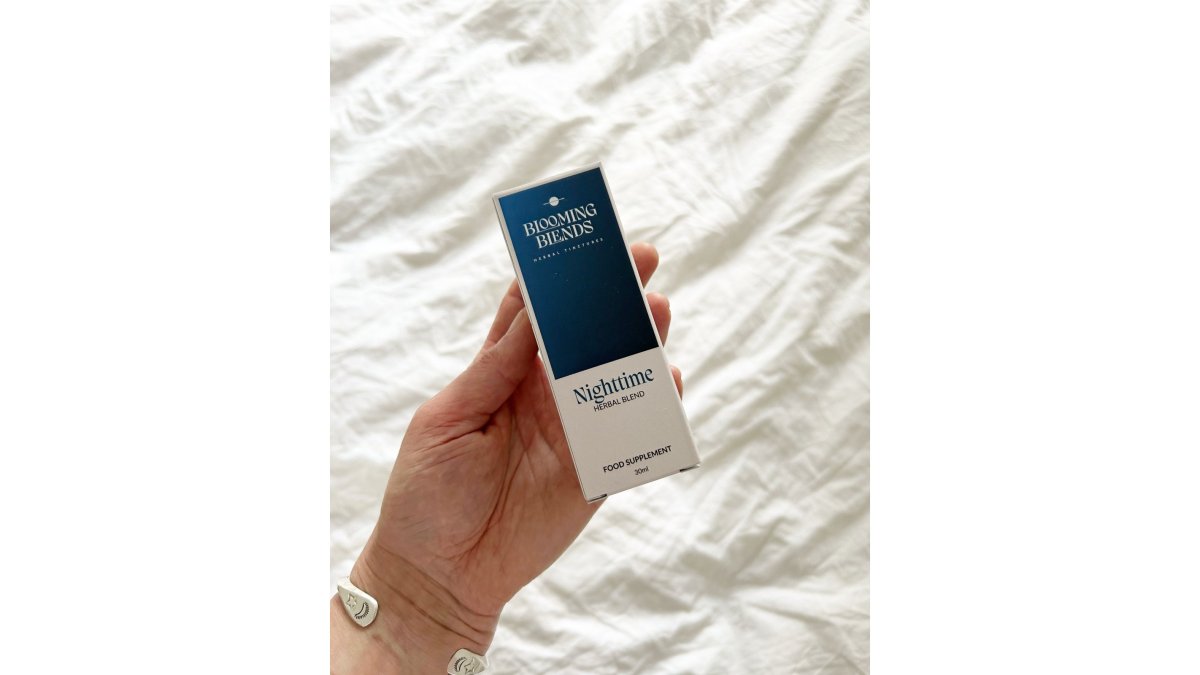
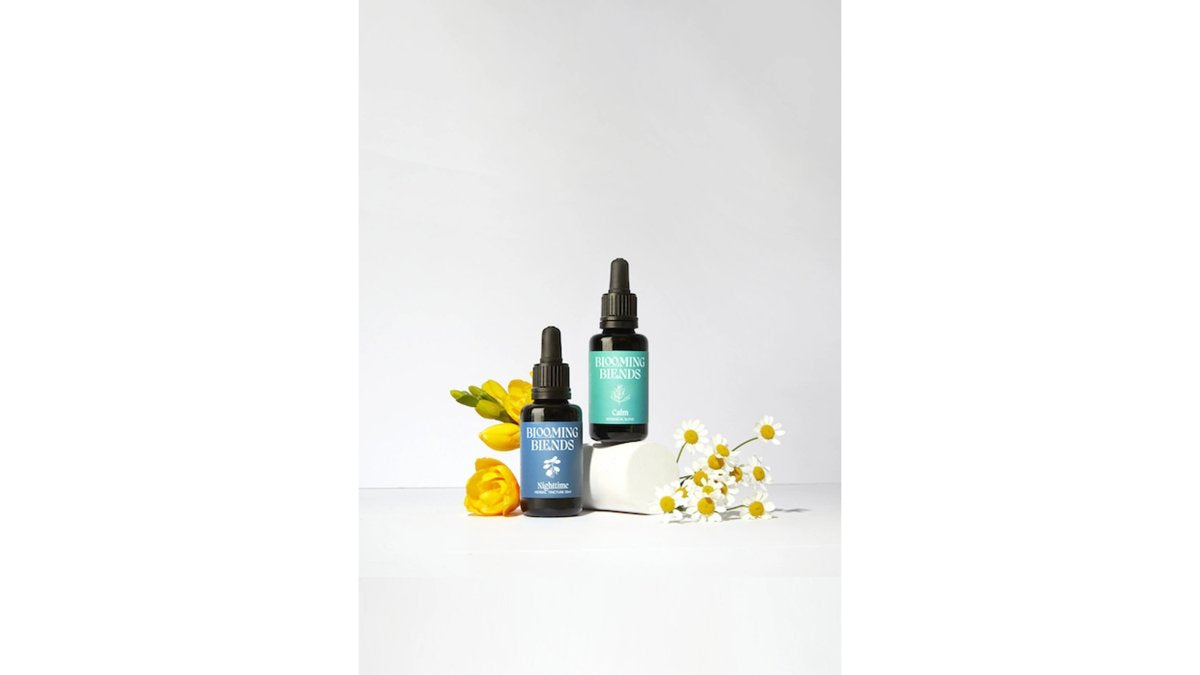
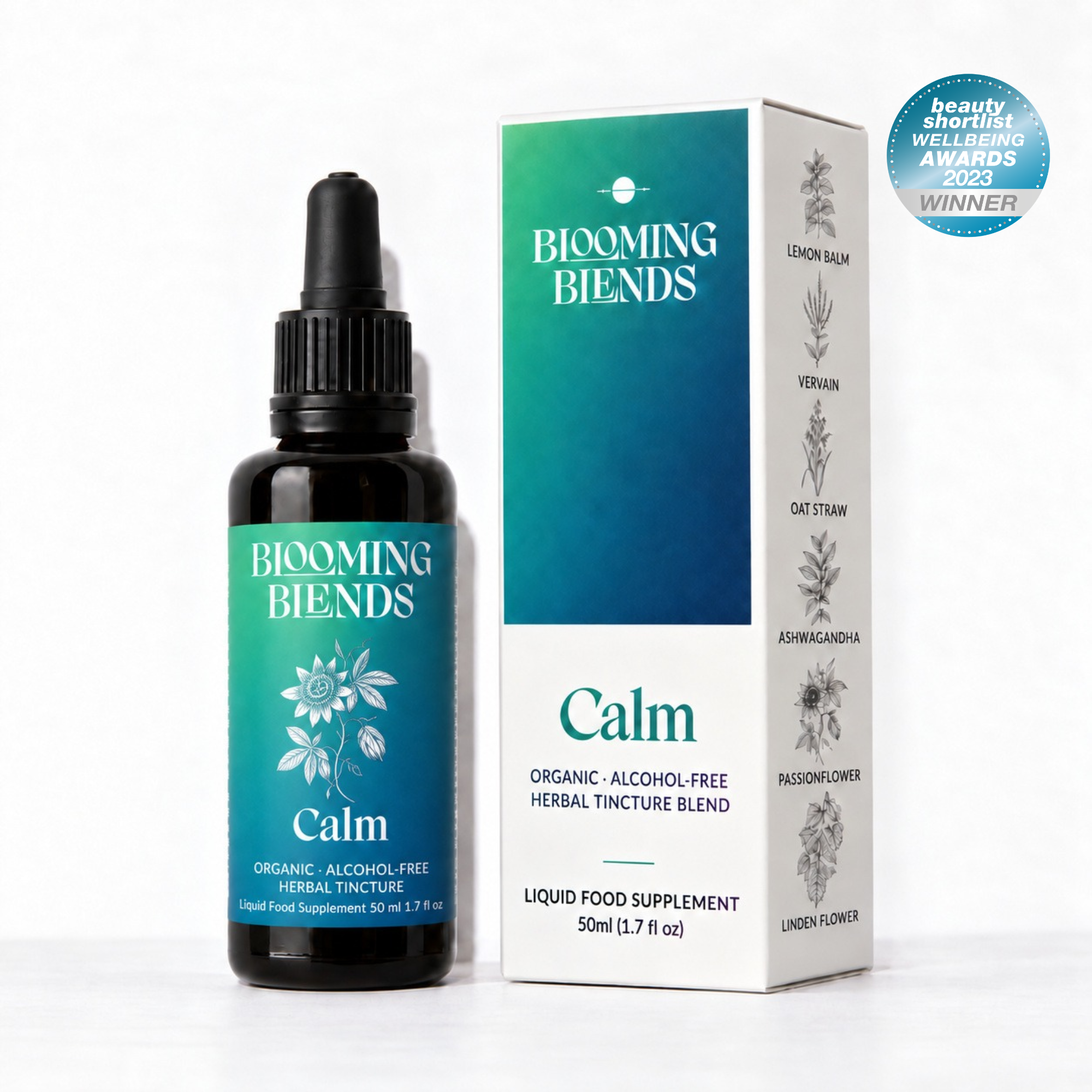
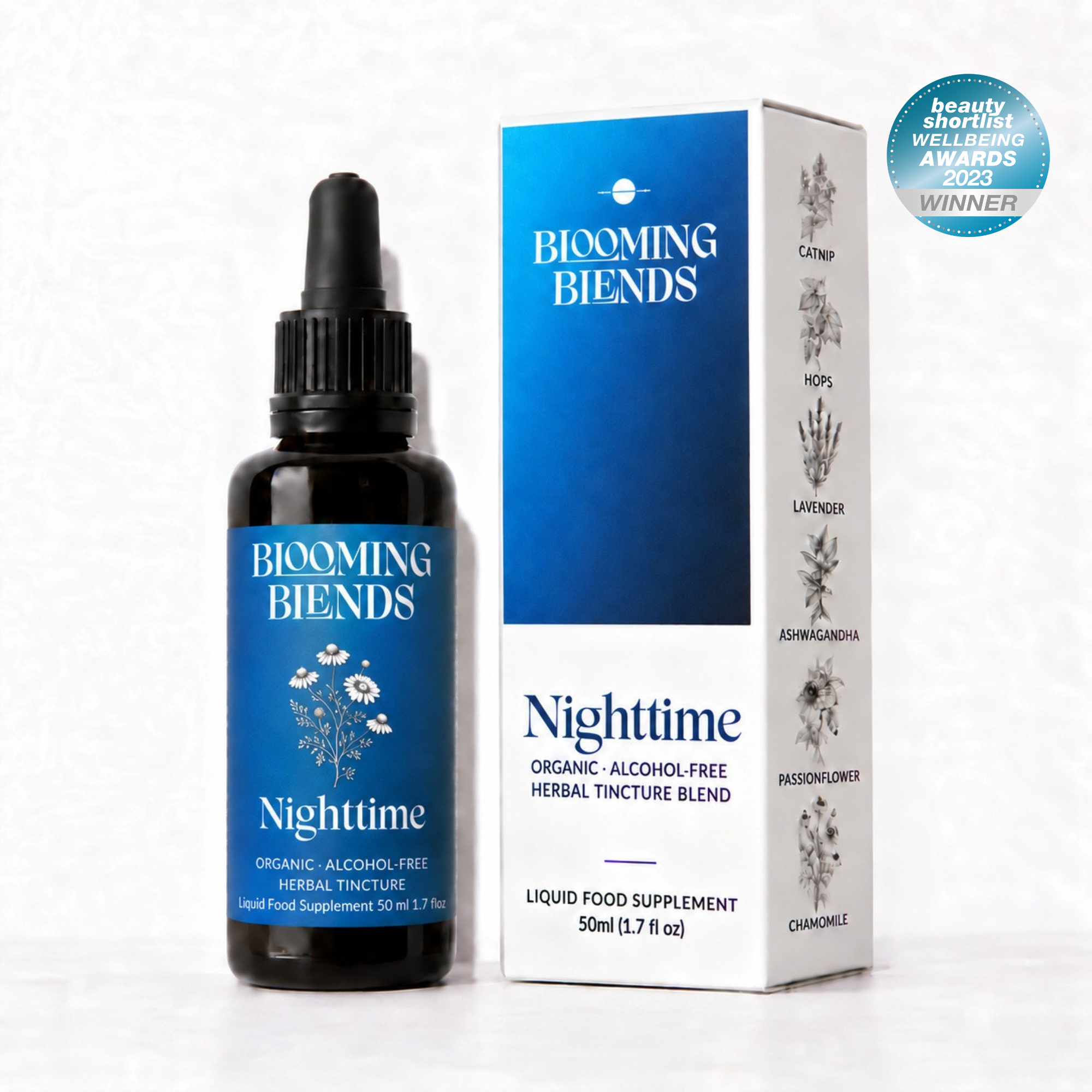
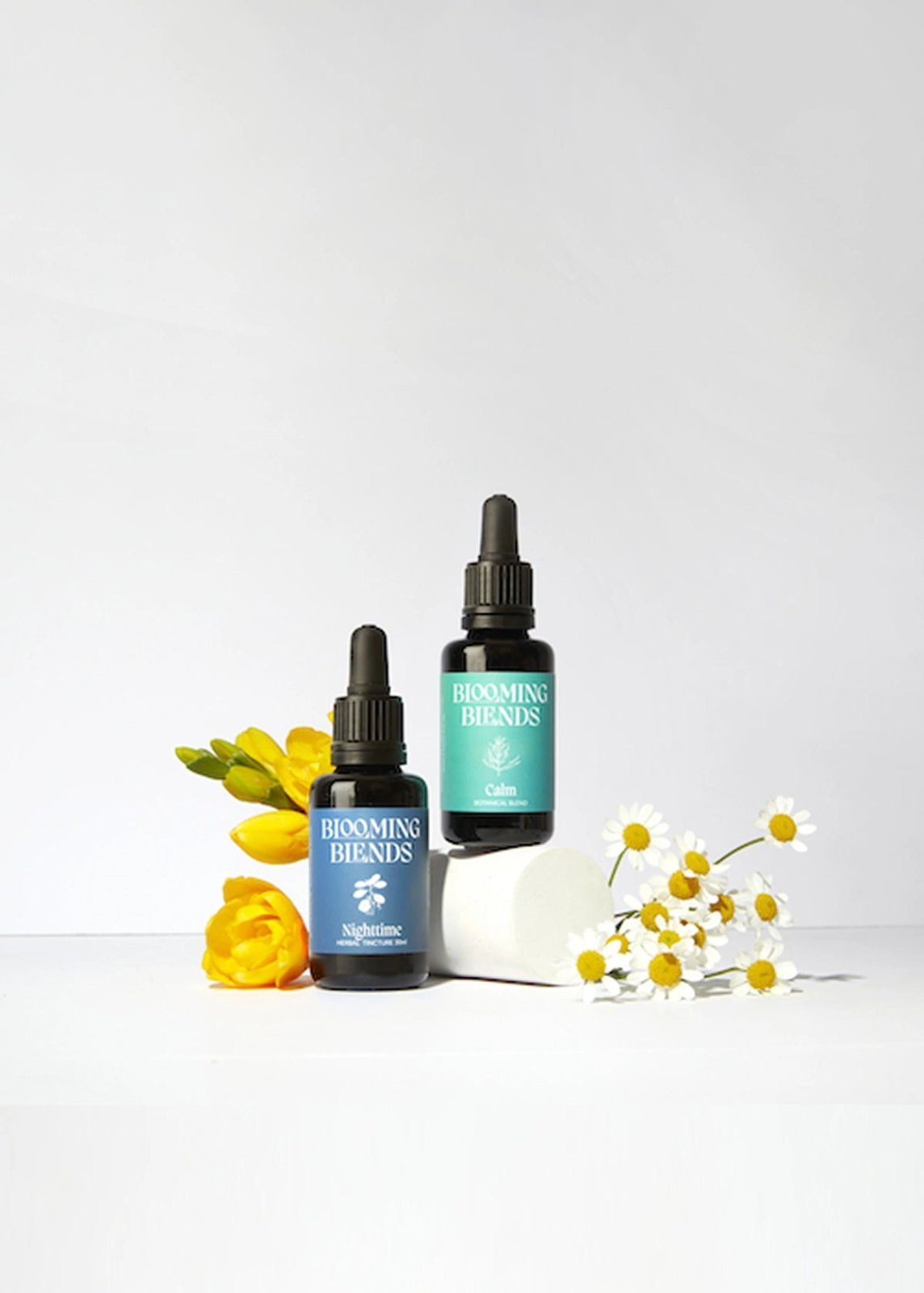
Herbal tinctures are a popular way to bring plant-based wellbeing into daily life, but checking herbal tincture suitability matters because they are not automatically safe alongside prescribed medicines. Plant compounds can interact with conventional drugs, changing how well a medicine works or how strongly it acts; a review in PubMed Central notes that herb-drug interactions can alter drug levels or activity, potentially leading to treatment failure or side effects (Pharmacokinetic and pharmacodynamic herb-drug interactions). At Blooming Blends, we encourage customers to check suitability before starting any tincture, especially if they take regular medication. Our Calm Herbal Tincture and Nighttime Herbal Tincture are blends you may wish to review against your medication list before you begin.
Herbal Medicine Interactions With Prescription Drugs: What to Look Out For
Interactions are most likely when a herb and a medicine affect the same body process, for example, when both are broken down by the same liver enzymes, or when both influence blood pressure, blood clotting or the nervous system.
St John's wort is the best-known example, widely reported to affect how the body handles certain medicines, including some antidepressants and oral contraceptives. This is not a complete list, nor a list of ingredients in our blends, it simply shows why the herb matters as much as the medicine.
If you take a medicine for your heart, blood pressure or blood clotting, check any new herbal product before you start.
Ask a pharmacist first. A pharmacist can check your full medication list against a herbal product, and assessing herbal tincture suitability is more useful when you bring the actual bottle or its full ingredient list. Mention everything you take, including over-the-counter products, supplements and other herbal products.
Herbal products may be sold under different regulatory categories in the UK, which do not guarantee that a product has been tested against your prescription. A product being legally sold does not mean it has been tested against your prescription. Our explainer on ingredients from adaptogens to calming herbs can help you read your bottle before that conversation.
For anyone who is pregnant, breastfeeding, or taking regular medication, speak to a qualified healthcare professional before starting.
The article points to a few situations where a herb and a medicine are most likely to interact.
| Situation | Why it matters | What to do |
|---|---|---|
| Same liver enzymes | Both herb and medicine are broken down the same way | Ask a pharmacist to check |
| Blood pressure, clotting or nervous system | Both herb and medicine may influence the same process | Check before you start |
| St John's wort | Widely reported to affect some antidepressants and oral contraceptives | Seek advice first |
| Heart, blood pressure or clotting medicine | Interaction risk is higher | Check any new product before starting |
Herbal Tincture Ingredients and Medicine Interactions: A Label Checklist
- Read the full ingredients list, not just the name. If you are weighing up a single bottle or a bundle, comparing labels in this way helps you see exactly what each one contains. Note every herb, the plant part used and any additional ingredients. A blend called Calm or Nighttime tells you the purpose, not the contents, the label is the only reliable source.
- Note the strength and serving. Record how much the label tells you to take and how often. Do not assume a full dropper equals 1 ml, as dropper sizes can differ between bottle sizes. Write the serving down so you can repeat it accurately to a pharmacist.
- Check the alcohol content. Our alcohol-free herbal tinctures are finished without alcohol, but always confirm the label for each product rather than assuming, since extraction methods can differ. Alcohol content can matter for some medicines and health conditions, and it is a fair question to raise in a review.
- Compare each herb against your medicines. If you are wondering how quickly a calming herb might act, our guide to calming herb timelines sets out realistic expectations. Search each herb alongside your medication names, or better, ask a pharmacist to do it with you. Bring the bottle, the ingredient list, the serving and your full medication list.
- Check storage and usage notes. Follow the storage instructions on the bottle, and keep the label somewhere you can find it if you need to check again later.
Product variability is the reason a general herb list cannot confirm suitability on its own. The same herb can differ in strength, extraction method and concentration between brands, and formulations can change over time. Because the same uncertainty applies to other concentrated blends, sleep drink mix compatibility also depends on the exact formulation and the medicines taken alongside it.
Preparing for a review. Bring the bottle or a photo of the label, the full ingredient list, the serving and frequency you intend to use, a written list of every medicine (including over-the-counter products and supplements), and any known allergies. Ask whether any herb in the blend is known to interact with any medicine on your list. If the answer is uncertain, that is useful information too, it means the combination has not been well studied.
If you have already started. Do not stop or change a prescribed medicine on your own. If you notice new side effects, unusual bruising or bleeding, dizziness or a change in how a medicine feels, stop the tincture and contact a pharmacist or GP. For severe symptoms such as fainting, difficulty breathing or significant bleeding, seek urgent help, and keep the bottle so the ingredients can be checked.
Travelling with tinctures? Our guide on carrying and storing them on a plane covers the practical details.
For anyone who is pregnant, breastfeeding, or taking regular medication, speak to a qualified healthcare professional before starting. You can explore our range at Find Your Blend when you are ready.
Frequently Asked Questions
Can herbal tinctures interact with prescription medication?
Yes, they can. Herbs contain active compounds that may change how a medicine is absorbed, broken down or works in the body, which is why herb and drug interactions are an established clinical concern. Interactions are not certain for every person or every product, and the risk depends on the medicine, the herb and your own health. Because of this, do not assume a tincture is safe with your prescription simply because it is natural. Check the ingredients on the label and speak to a pharmacist or your GP before starting, particularly if you take regular medication.
Should I ask a pharmacist before taking a herbal tincture with medication?
Yes, it is sensible to do so. A pharmacist can look at your full list of medicines, including over-the-counter products, and compare it with the herbs listed on your tincture label. Bring the bottle or a note of its ingredients to the appointment so the conversation is specific. If you are pregnant, breastfeeding, have a long-term condition or are taking a medicine with a narrow safety margin, seek advice from a qualified healthcare professional before using any herbal product.
Do alcohol-free herbal tinctures interact with medicines?
Alcohol-free does not mean free of interactions. Our tinctures are finished with glycerine, but the herbs inside them are still active ingredients, and those can interact with medicines whether or not the bottle contains alcohol. Some people also avoid alcohol for reasons linked to their medication or health, so it is worth checking the full ingredients list and asking a healthcare professional whether the product suits your situation. Never assume a product is suitable based on one label feature alone.


Written by Fleur Sladen