How to Choose an Organic Herbal Tincture That Works
Last Updated: November 1, 2026
Quick Summary
To choose an organic herbal tincture that works, check the finished product's certification body, named herb sourcing and an identifiable solvent rather than trusting the word organic on the front label. Read the back label for the botanical name, plant part, ratio, batch number and expiry date, and follow its dosage guidance.
- A 1:3 ratio means one part herb to three parts solvent by weight, so a lower second number is generally more concentrated.
- Alcohol-free tinctures use glycerine, vinegar or water instead of ethanol and tend to taste sweeter and softer.
- Take a tincture as a small number of drops in water, once or twice a day, following the label.
- Ask your GP or a qualified herbalist before starting if you take medication, are pregnant or breastfeeding.
- The HER HARMONY tincture is £26 and alcohol-free, and the Reset Box holds four 5ml bottles for £45.
Table of Contents
- What Makes a Herbal Tincture Genuinely Organic
- Checking Certification and Where Herbs Are Sourced
- How to Read a Herbal Tincture Label
- Why Choose an Alcohol-Free Herbal Tincture
- Herbal Tincture vs Tea: Which Fits Your Routine
- Herbal Tincture Dosage and How to Take It
- Safety, Interactions and When to Ask a Professional
- Choosing Your First Organic Herbal Tincture
- Frequently Asked Questions
What Makes a Herbal Tincture Genuinely Organic
An organic herbal tincture is a concentrated liquid extract made by soaking plant material in a solvent, usually alcohol, glycerine or vinegar, so the plant's active constituents pass into the liquid. Understanding the origin and extraction process of these preparations remains essential for using herbal tinctures safely in your daily wellness routine.
A bottle can say "organic" and still leave the origin of its herbs unclear. Check the detail yourself rather than relying on the word alone.
Three things separate a genuinely organic tincture from a marketing claim:
- **Certified organic status of the finished product, not just one ingredient
- Named herb sourcing with a country or farm of origin
- A solvent you can identify, whether that is ethanol, glycerine or vinegar
Most guides stop at "look for organic." That is not enough. Below, we will show you exactly how to read the bottle before you spend money.
Checking Certification and Where Herbs Are Sourced
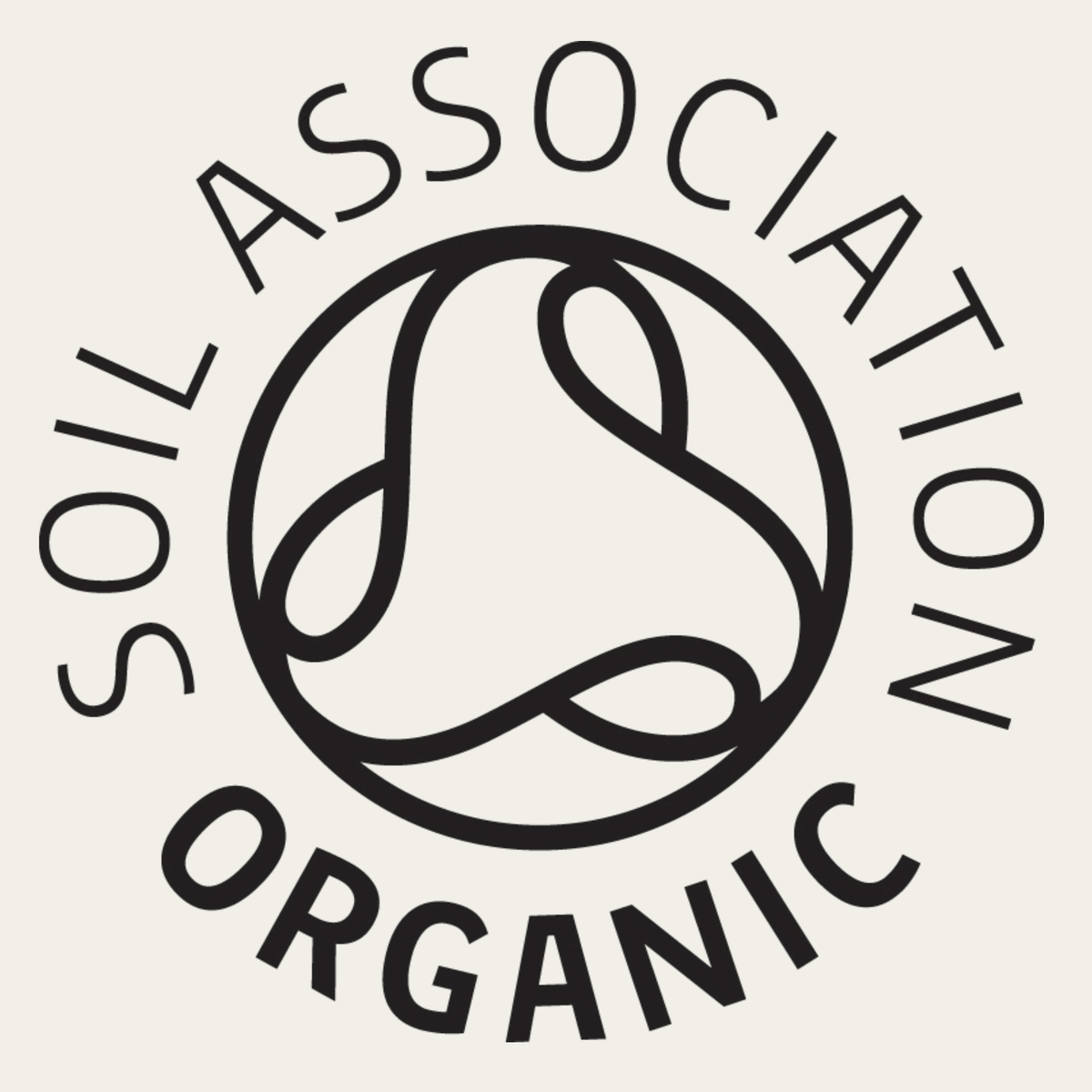
Start with the certification body, not the front label. If neither appears, treat "organic" as a claim rather than a guarantee.
Next, look for sourcing detail. A serious maker will tell you which herbs they use and roughly where those herbs come from. The herbs we use are responsibly grown and gently preserved with rapeseed glycerine in UV-protective biophotonic glass. Vague phrases like "premium botanicals" tell you nothing.
Ask yourself three questions about any tincture:
- Which certifier approved this product?
- Where were the herbs grown?
- Does the label name the plant parts, such as root, leaf or bark?
If the answers are missing, the organic claim is doing heavy lifting with no evidence behind it. That is your first red flag, and it is usually enough to walk away.
How to Read a Herbal Tincture Label
A label should tell you seven things in plain language: the botanical name, the plant part, the solvent, the herb-to-solvent ratio, the organic certification, the batch number and the expiry date. If any of those is hidden, you cannot judge what you are buying or compare it fairly with another bottle.
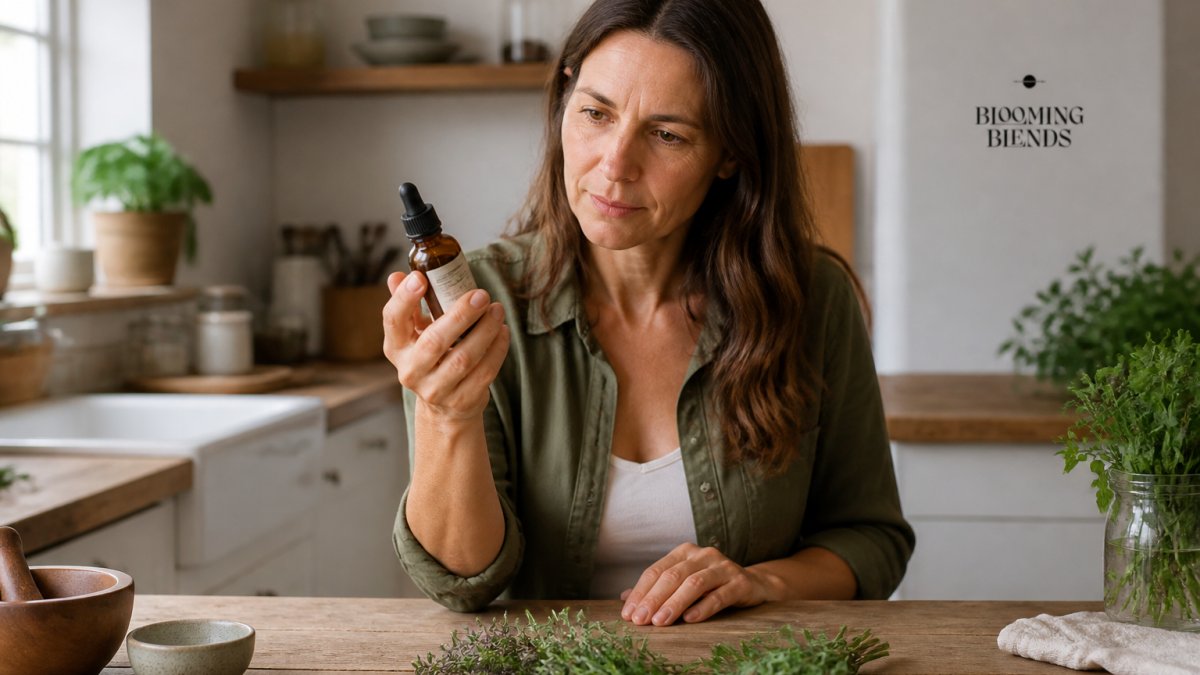
Use this checklist every time you pick up a bottle:
- Botanical name, the Latin name (for example, Matricaria chamomilla rather than just "chamomile"). Common names vary between regions and can refer to different plants.
- Plant part, root, leaf, flower, bark or seed. Different parts contain different constituents, so "valerian root" and "valerian leaf" are not interchangeable.
- Solvent, ethanol, glycerine, vinegar or water. This affects taste, shelf life and who can take it.
- Ratio, written as 1:3, 1:5 and so on. One part herb to three parts solvent by weight is more concentrated than one part to five.
- Organic status, the certifier's logo and certification number, not just the word "organic".
- Batch number, lets you trace the bottle back to a specific production run and, if needed, ask the maker for test results.
- Expiry date, a genuine best-before or use-by date, not a vague "see base".
Read the ingredients list next. Herbs should be named individually, not lumped into a "proprietary blend" that hides how much of each one you get. A blend that lists five herbs but gives no ratios for any of them is telling you very little.
Herb-to-Solvent Ratios and What Strength Really Means
The herb-to-solvent ratio tells you how much plant went into the liquid. A 1:3 ratio means one part herb to three parts solvent by weight, so a lower second number generally means a more concentrated extract.
Strength is not the same as concentration, though. A strong-tasting tincture is not automatically a better one. Taste is influenced by the solvent and the plant itself.
The ratio should be stated on the label so you can decide for yourself which strength suits you.
For a fuller walkthrough, our guide on how to check herbal tincture ingredients before you buy breaks the label down line by line.
A well-made label should answer seven plain questions before you buy.
| Label item | What to look for |
|---|---|
| Botanical name | The Latin name, not just the common name |
| Plant part | Root, leaf, flower, bark or seed |
| Solvent | Ethanol, glycerine, vinegar or water |
| Ratio | Written as 1:3, 1:5 and so on |
| Organic status | Certifier's logo and certification number |
| Batch number | Lets you trace the bottle to a production run |
| Expiry date | A genuine best-before or use-by date |
Why Choose an Alcohol-Free Herbal Tincture
An alcohol-free herbal tincture uses glycerine, vinegar or water instead of ethanol to draw out the plant's compounds.
Glycerine-based tinctures tend to taste sweeter and softer. That makes them easier to take daily, especially for anyone who finds alcohol-based drops sharp or warming.
There is a trade-off worth knowing. Alcohol and glycerine extract plant material differently, so an alcohol-free product is not a like-for-like swap for an alcoholic one.
At Blooming Blends, our tinctures are alcohol-free and finished with naturally sweet glycerine made from UK-grown rapeseed. No tablets, fillers or binders. If you are cutting back on alcohol, that matters.
Herbal Tincture vs Tea: Which Fits Your Routine
Tea is a water-based infusion, while a tincture is a concentrated extract taken in drops. Tea suits a slow morning ritual. A tincture suits a busy day when you want something portable and quick.
Reset Box - Your Herbal Travel Essentials →
Here is the practical difference:
- Tea: gentle, warming, takes minutes to brew, and you drink a whole mug
- Tincture: concentrated, taken in drops, fits in a bag, and needs no preparation
- Tea: best at home or at a desk
- Tincture: best on the move, at work, or while travelling
Neither is better in absolute terms. The right choice depends on whether you will actually keep up the habit. A remedy you skip is no remedy at all.
If you are new to all of this, our beginner's guide to botanical tinctures explains the basics before you commit.
Herbal Tincture Dosage and How to Take It
Herbal tincture dosage varies by product, so always follow the label rather than a general rule. Most tinctures are taken as a small number of drops, often in water, once or twice a day.
A simple routine looks like this:
- Read the label and note the suggested number of drops.
- Add the drops to a small glass of water.
- Take it at the same time each day so it becomes habit.
- Adjust only within the label's guidance.
Drops can also go under the tongue if the label allows it. Mixing with water softens the taste, which helps if the herb is bitter.
Consistency beats intensity. A small daily dose you remember is more useful than a large one you take once and forget.
For more detail on timing and mixing, see our guide on how to take herbal tinctures daily.
Safety, Interactions and When to Ask a Professional
Talk to your GP or a qualified herbalist before starting any tincture if you take medication, are pregnant or breastfeeding, or manage a long-term condition. Herbal does not mean risk-free, and some plants can interact with prescription drugs.
A few interactions are well known enough to mention plainly. Some herbs can interact with prescription medicines, so it is worth checking with your GP or pharmacist before you start any herbal product.
Pregnancy and breastfeeding deserve their own caution. Pregnancy and breastfeeding call for professional advice before taking any herbal product. Do not rely on a label's silence as a green light, ask a professional who knows your history.
Allergies matter too. If you react to plants in the daisy family, for example, chamomile and echinacea deserve care.
A few sensible rules:
- Never exceed the dose on the label.
- Stop and seek advice if you notice an unexpected reaction.
- Keep tinctures out of reach of children.
- Tell your pharmacist what you are taking, including herbal products.
- Buy from makers who publish batch details, so a concern can be traced to a specific run.
This is general guidance, not medical advice. Your circumstances are yours, and a professional who knows your history can advise properly.
Choosing Your First Organic Herbal Tincture
Pick one goal first, not five. Decide whether you want support for rest, calm, digestion or energy, then choose a single tincture that matches it.
Then check the four label points we covered: certification, sourcing, solvent and strength. A maker who is open about all four is usually a maker worth trusting.
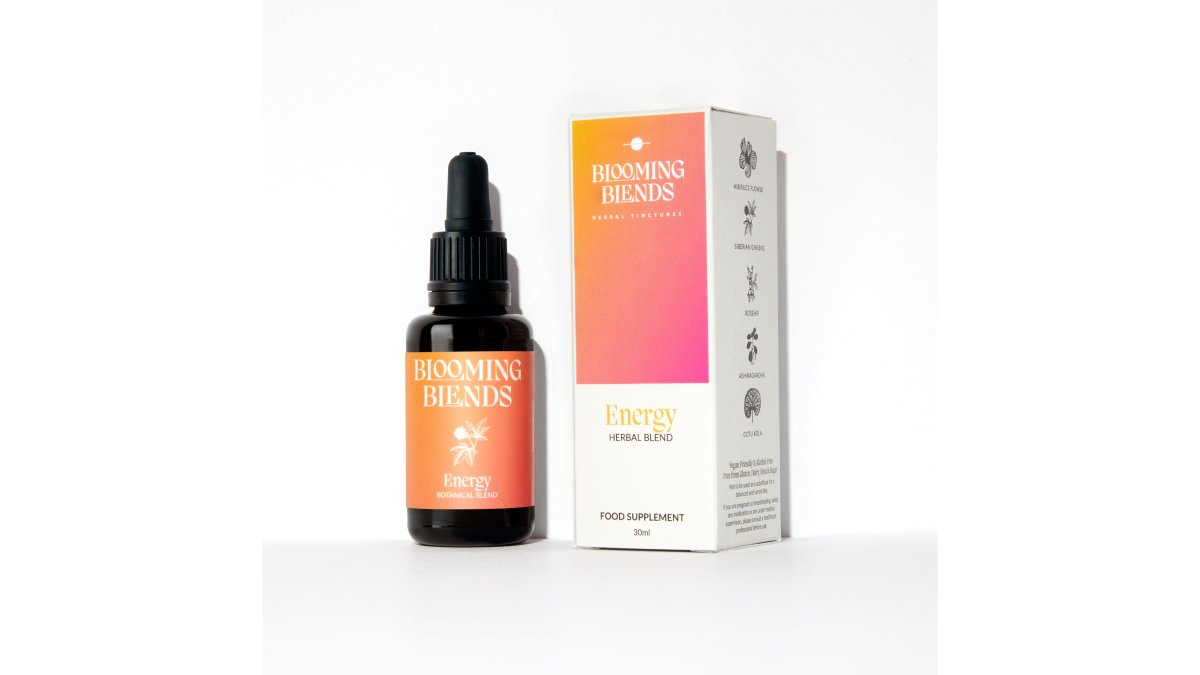
Our own range is a good place to start. The HER HARMONY tincture brings together six botanicals for life's changing chapters, and is £26, alcohol-free, and made in small batches.

If you travel or want to try a few, the Reset Box holds four 5ml bottles for £45.

Ready to begin? Shop our alcohol-free herbal tinctures and find the blend that fits your routine.
Frequently Asked Questions
How can I tell whether a herbal tincture is genuinely organic?
Look for a recognised organic certification symbol on the bottle and check that the certifying body is named. A label that simply says natural or pure is not the same as certified organic. It is also reasonable to ask any brand where its herbs are grown and how they are tested before you buy.
Is an alcohol-free herbal tincture as effective as an alcohol-based one?
It depends on the plant and the solvent used. Alcohol extracts certain plant compounds very efficiently, but glycerine and vinegar also extract many constituents well, which is why alcohol-free drops are widely used. What matters most is the herb-to-solvent ratio, the quality of the plant material and how fresh it is. A well-made alcohol-free herbal tincture with a clear strength stated on the label can be a sound choice, particularly if you are avoiding alcohol for medication or lifestyle reasons.
Are herbal tinctures better than herbal tea?
They do different jobs. A herbal tincture is a concentrated extract, so a few drops deliver more plant material than a cup of tea, and it is easier to take consistently during a busy day. Tea is gentler, warming and ritualistic, but the amount of plant compounds you get varies with steeping time and water temperature. Many people keep both: tea in the evening and a tincture for convenience when out or at work.
How should I take a herbal tincture and what dosage is normal?
Most tinctures are taken as drops in a little water, usually once or twice a day, with the exact amount stated on the label. Start at the lower end of the suggested range and see how you respond over a week or two. Use the dropper rather than guessing, and keep a note of when you take it so you can judge whether it suits you. If you take prescription medication or are pregnant, speak to your GP or a qualified herbalist first.
Choosing well comes down to a handful of checks most people skip: the certifier, the sourcing, the solvent and the strength. Blooming Blends makes that easier with award-winning, alcohol-free tinctures in small batches, free from tablets, fillers and binders, and finished with naturally sweet glycerine from UK-grown rapeseed. Get started with Blooming Blends and find a simple daily ritual that fits your life.