How to Choose Herbal Support for Study Periods
Last Updated: November 12, 2026
Quick Summary
Choosing herbal support for study periods starts with identifying your hardest study moment, then matching one blend to it: calming herbs for exam stress, focus herbs for flagging energy, or sleep support for a racing mind at midnight. Read the label, measure the stated serving and take it as directed.
- Write down your worst study moment first, then choose one blend that matches it.
- Traditional calming herbs include chamomile, lemon balm and passionflower; rosemary and ginseng are discussed for focus.
- A review of herbal medicines for long COVID fatigue reported success rates of 46% to 80% after 12 weeks.
- Never assume a full dropper equals 1 ml, as dropper sizes differ between bottles.
- If you take medication, are pregnant or breastfeeding, speak to a qualified healthcare professional first.
Table of Contents
- Start With the Moment You Need Help With
- Herbs for Exam Stress and Herbal Support for Focus
- How to Use Herbal Tinctures, and Checking Herbal Supplements and Medication
- Frequently Asked Questions
Start With the Moment You Need Help With
Choosing herbal support for study periods starts with one question: when do you actually struggle? Match the herb to the moment, not the other way round.
More than one-third of people report using herbal supplements, according to research on herbal medicine use. Yet most guides skip the practical bit: which blend, when, and how much.
At Blooming Blends, we make alcohol-free herbal tinctures, and we would rather you picked the right one than bought all three.
So think about your study pattern first:
- Wired and anxious before an exam? You want calming herbs.
- Flat and foggy by mid-afternoon? You want focus and energy herbs.
- Wide awake at midnight, mind racing? You want sleep support.
Write down your worst study moment. That is your starting point.
Herbs for Exam Stress and Herbal Support for Focus
For exam stress, traditional herbal practice leans on calming herbs such as chamomile, lemon balm and passionflower. For focus, the herbs most often discussed in traditional use include rosemary and ginseng.
These are traditional uses, not proven treatments. Research quality varies, and a study on one ingredient does not prove a finished blend works the same way.
What the evidence does suggest is worth knowing. A review of herbal medicines for long COVID fatigue reported treatment success rates between 46% and 80% across groups after 12 weeks. Encouraging, but a narrow group and a short window.
Adaptogens such as ashwagandha and Siberian ginseng are traditionally used for stress support, and they are worth looking into before you buy. Our guide to what adaptogens are covers the history, UK safety updates and how to judge quality.
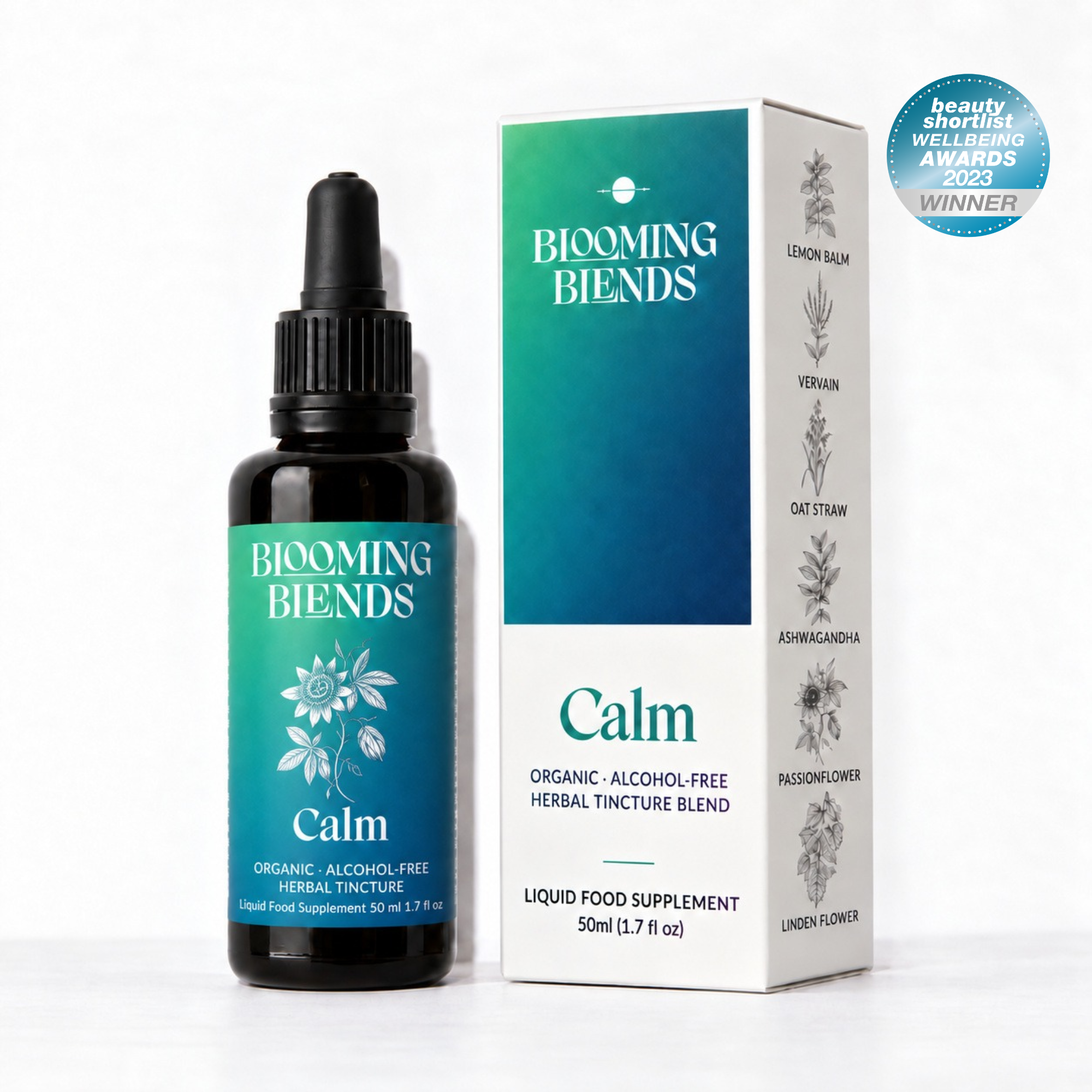
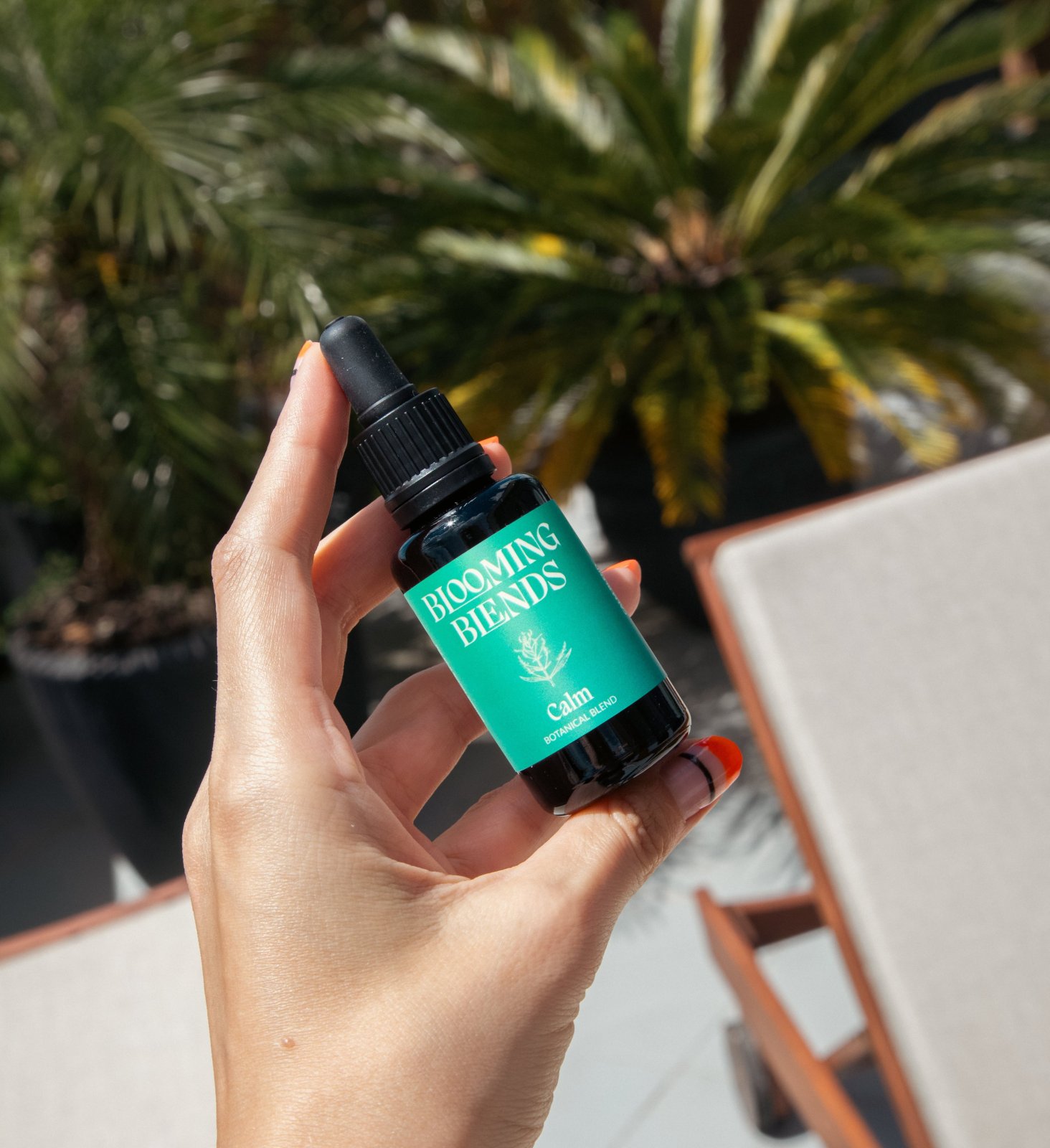
If your main struggle is a busy, loud mind, our CALM organic tincture is the blend we would point you towards. If it is flagging energy on long study days, browse the Focus & Clarity collection instead.
Treatment success rates for herbal medicines for long COVID fatigue after 12 weeks
How to Use Herbal Tinctures, and Checking Herbal Supplements and Medication
Using a herbal tincture properly comes down to five steps, and the label on your bottle always wins over anything you read online.
- Choose one blend that matches your study moment.
- Read the label for the serving size and how to take it.
- Measure that serving using the dropper as directed.
- Follow the stated method, whether that is straight or mixed into a drink.
- Pick a time you will remember, consistent with the label's directions.
A common mistake is assuming a full dropper equals 1 ml. Dropper sizes differ between bottles, so follow your own label rather than a number from a blog.
Do not double a serving because you have a big exam; always follow the directions on the bottle.
On suitability, check the label before you start. If you take medication, are pregnant or breastfeeding, speak to a qualified healthcare professional first. Herbal products can interact with medicines, so it is important to check with a healthcare professional (the NHS). Some herbal supplements are not regulated for purity and potency before sale, so it is sensible to buy from brands that publish clear information.
Wondering how long a calming herb might take? Our guide on how long calming herbs take to work explains what to expect. And if you are unsure whether a blend suits you, you can always contact our team with a question.
Store your bottle as its label instructs, and check the date on the box.
Using a tincture properly comes down to five simple steps, and your bottle label always wins.
| Step | What to do |
|---|---|
| 1 | Choose one blend that matches your study moment |
| 2 | Read the label for serving size and how to take it |
| 3 | Measure that serving using the dropper as directed |
| 4 | Follow the stated method, straight or mixed into a drink |
| 5 | Pick a time you will remember, consistent with the label |
Frequently Asked Questions
How do I measure a serving of herbal tincture?
Follow the directions on your bottle rather than assuming a full dropper equals 1 ml, because dropper capacities differ between bottle sizes. Measure the stated number of drops into a glass or directly into your mouth as the label advises. If the label is unclear, contact the maker before taking it. Do not increase the serving to try to get a stronger effect.
Do I need to take herbal support every day during a study period?
Take it exactly as the product directions state. Some blends are labelled for daily use, others for occasional moments. There is no rule that you must take a tincture every day, and you should not assume more frequent use is better. If you are unsure whether a blend suits daily use, check the label or ask a qualified healthcare professional.
Can I use more than one herbal blend at a time?
Do not combine products without verified guidance, because ingredients can overlap and interactions are possible. If you are taking herbal supplements and medication, or are pregnant or breastfeeding, speak to a qualified healthcare professional first. A pharmacist can also check for interactions. Keep it simple: choose one blend that matches your main need during the study period.


Written by Fleur Sladen