How to Improve Digestion Naturally: 7 Everyday Steps
Last updated: 22 October 2026
Quick Summary
To improve digestion naturally, build small daily habits rather than relying on quick fixes: eat enough fibre from oats, beans and wholegrains, drink around six to eight glasses of fluid a day, and take a gentle 10 to 15 minute walk after meals. Eat slowly at regular times and add a small daily portion of fermented foods such as natural yogurt or kefir.
- Build up fibre slowly over a few weeks and drink more water as you go.
- Most adults do well with around six to eight glasses of fluid a day.
- A 10 to 15 minute walk after lunch or dinner helps food move through your system.
- Sit down to eat, chew slowly and aim for regular meal times.
- Book a GP appointment if you notice blood in your stools or unexplained weight loss.
Table of Contents
- Start with Your Plate: Foods That Help Digestion
- How Much Water to Drink for Digestion (and When)
- Exercise and Digestion: Move to Get Things Moving
- Build a Calm Mealtime Routine to Improve Digestion Naturally
- Everyday Habits That Can Make Digestion Worse
- When to See a GP for Digestive Problems
- How Herbal Tinctures Fit Into a Natural Digestion Plan
- Frequently Asked Questions
Start with Your Plate: Foods That Help Digestion
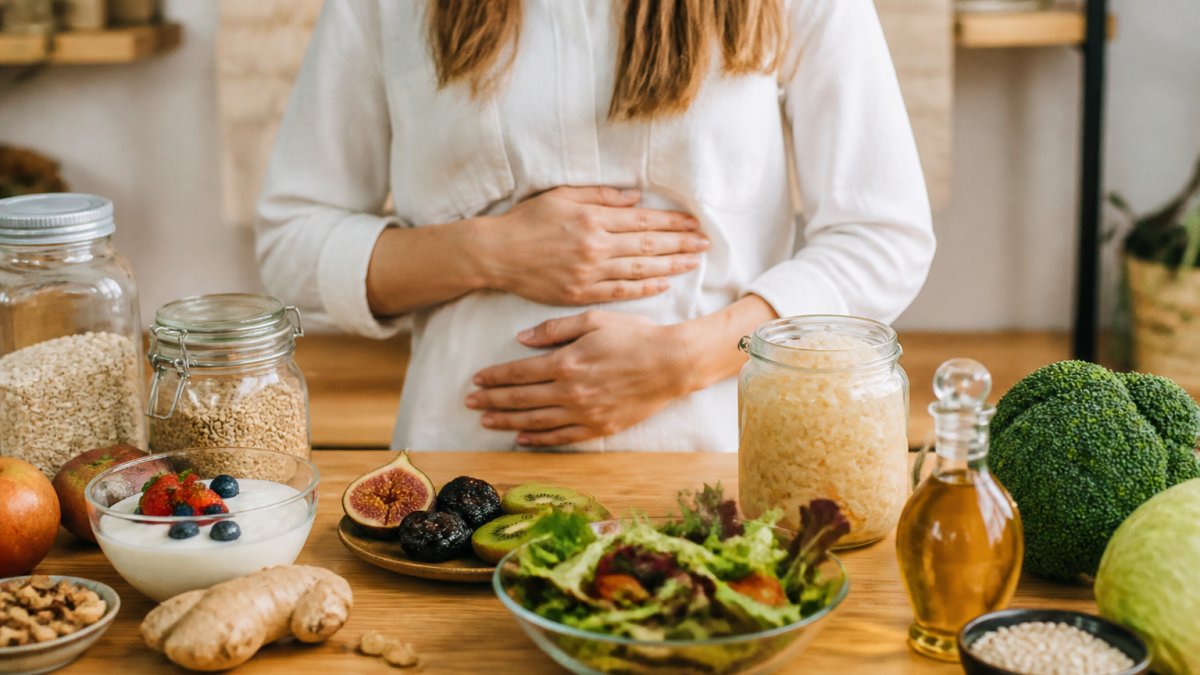
Learning how to improve digestion naturally starts with what sits on your plate at every meal. This guide from Blooming Blends covers the everyday changes that make the biggest difference, from fibre to fluids to how you eat. Below, we explain each step and why it works.
Fibre and fermented foods top the list. Water, movement and calm meals follow close behind.
Here is the core idea most guides miss: your gut responds to rhythm, not quick fixes. Small daily habits beat one-off cleanses every time.
Fibre: The Backbone of Good Digestion
Fibre is the part of plant food your body cannot break down, and it keeps everything moving through your gut. Two kinds matter:
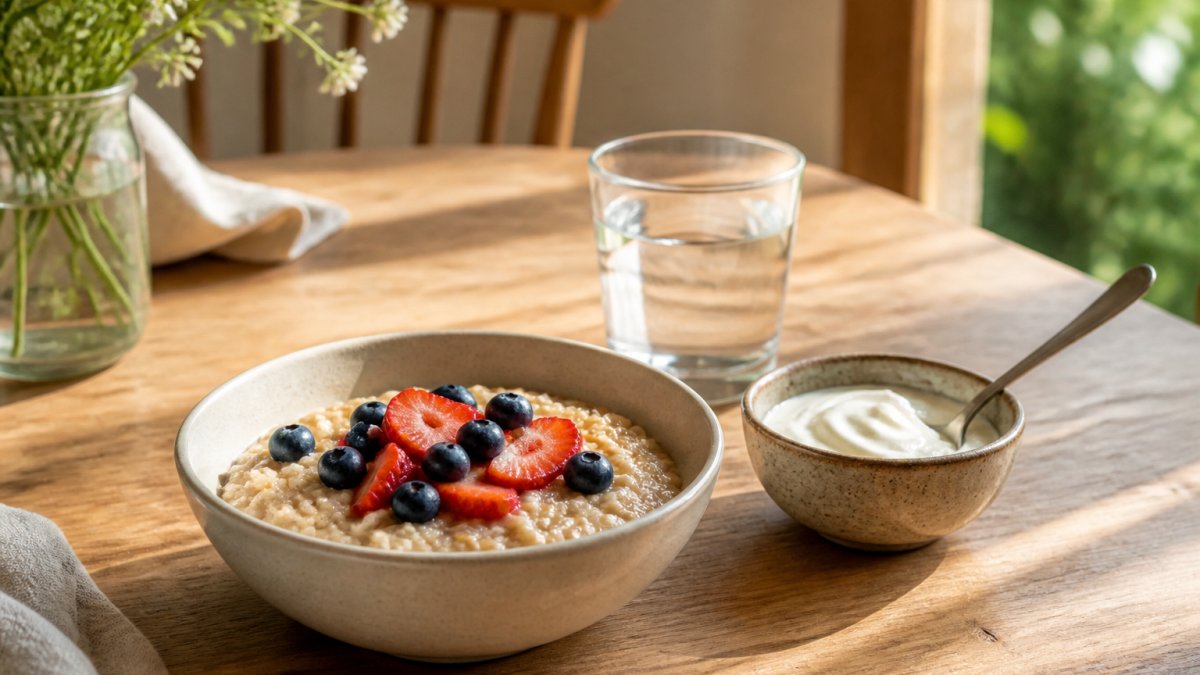
- Soluble fibre soaks up water and forms a gel. Oats, apples, carrots and beans are good sources.
- Insoluble fibre adds bulk and speeds things along. Think wholegrain bread, brown rice and leafy greens.
A common mistake is adding a lot of fibre all at once. That can cause bloating and wind. Build up slowly over a few weeks and drink more water as you go.
Fermented Foods and Herbal Helpers
Fermented foods carry live cultures that support the gut. Natural yogurt, kefir, sauerkraut and kimchi are simple places to start. A small portion daily is plenty.
Herbs have a long history at the table too. Spearmint, fennel and ginger are traditional after-meal favourites. Many people find a warm herbal drink settles things nicely.
One word of caution: the American Association of Naturopathic Physicians' digestion guidance suggests skipping gut cleanses and detoxes as a routine habit. Focus on steady habits instead.
How Much Water to Drink for Digestion (and When)
There is no single magic number, but most adults do well with around six to eight glasses of fluid a day (the NHS). The exact amount depends on your size, activity and the weather.
Timing matters as much as quantity. Try these habits:
- Drink a glass of water on waking to start the day.
- Sip steadily between meals rather than gulping large amounts with food.
- Keep a bottle on your desk so it is always in reach.
Water helps fibre do its job. Without enough fluid, a high-fibre diet can actually make constipation worse. So the two steps work as a pair.
Exercise and Digestion: Move to Get Things Moving
Movement helps your gut in a simple way: it speeds up the journey of food through your system. A gentle walk after a meal is one of the easiest habits to add.
You do not need a gym. Try:
- A 10 to 15 minute walk after lunch or dinner.
- Gentle stretching or yoga in the evening.
- Taking the stairs when you can.
Vigorous exercise right after a big meal can feel uncomfortable, so keep it gentle. Save the harder workouts for another time of day.
Build a Calm Mealtime Routine to Improve Digestion Naturally
When you want to improve digestion naturally, how you eat matters as much as what you eat. Your gut works best when you are relaxed.
Try these simple steps:
- Sit down to eat, away from your desk or phone.
- Chew slowly and put your fork down between bites.
- Aim for regular meal times so your body knows what to expect.
- Take a few slow breaths before you start.
Stress and rushed meals are a common cause of bloating and discomfort. Calm, unhurried eating gives your body time to do its job.
Everyday Habits That Can Make Digestion Worse
Some daily habits quietly work against your gut. Watch out for these:
- Eating too fast at your desk or on the go.
- Large late-night meals close to bedtime.
- Too much alcohol, which can upset the stomach lining.
- Skipping breakfast and then overeating later.
- Too little sleep, which affects appetite and gut rhythm.
When to See a GP for Digestive Problems
Most everyday bloating or occasional indigestion settles with the habits above. But some signs need a doctor's view.
Book an appointment with your GP if you notice:
- Blood in your stools or black, tarry stools.
- Unexplained weight loss.
- Pain that does not go away or wakes you at night.
- Difficulty swallowing.
- Changes in bowel habits lasting more than a few weeks.
These symptoms are not a diagnosis, but they are worth checking. Your GP can rule out anything serious and point you in the right direction.
How Herbal Tinctures Fit Into a Natural Digestion Plan
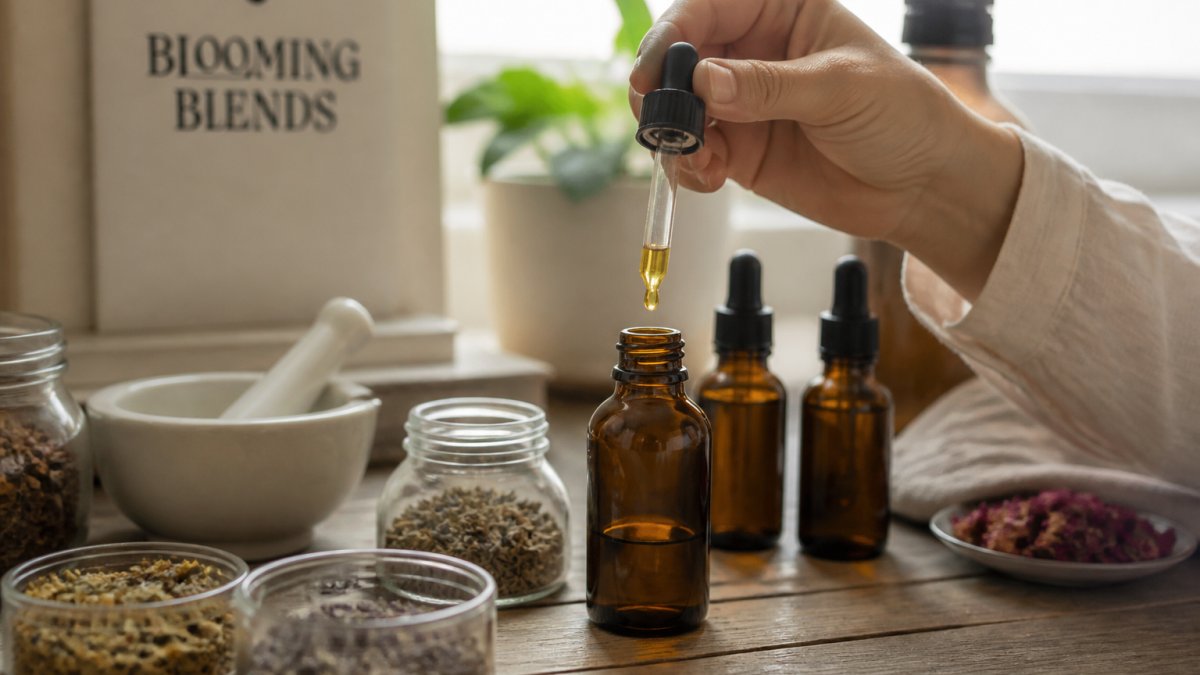
Herbal tinctures are concentrated liquid extracts of plants, taken in small drops. They offer a simple way to add traditional after-meal herbs to a busy day.
Our DIGESTION Tincture brings together artichoke leaf, spearmint, burdock root, fennel seed, ginger root and hibiscus flower in one smooth, alcohol-free blend. It is made in small batches with no tablets, fillers or binders, and finished with naturally sweet glycerine from UK-grown rapeseed. It costs £26.00.

A few drops fit easily into your routine at home, when dining out or while travelling. It is a gentle add-on to the habits above, not a replacement for them.
Frequently Asked Questions
How can I improve my digestion naturally?
Start with small, consistent changes: eat more fibre from vegetables, fruit and whole grains, drink enough water throughout the day, and take a short walk after meals. Eating slowly and at regular times also helps. Herbal supports such as peppermint or ginger can ease occasional discomfort. If symptoms persist beyond a few weeks, speak to your GP. The goal is a routine you can keep up, not a quick fix.
What foods help digestion most?
Foods rich in fibre are the foundation: oats, beans, lentils, wholegrain bread, brown rice, and plenty of vegetables and fruit. Fermented foods like natural yogurt, kefir and sauerkraut support gut bacteria. Ginger and peppermint are traditional helpers for occasional bloating or wind. Try adding one extra portion of vegetables to your evening meal and swapping white bread for wholegrain to start.
Does drinking more water help digestion?
Yes. Water helps break down food and keeps stools soft, which makes them easier to pass. Aim for around 6 to 8 glasses a day, adjusting for weather and activity. A glass of water with each meal is a simple habit. Water also supports fibre in doing its job, so if you increase fibre, increase fluids too. Herbal teas count towards your intake.
When should I speak to a GP about digestive problems?
See your GP if you have persistent heartburn, difficulty swallowing, unexplained weight loss, blood in your stool, or stomach pain that lasts more than a few weeks. Also seek advice if diarrhoea or constipation lasts longer than a week or keeps returning. These signs don't always mean something serious, but they're worth checking. Your GP can rule out underlying conditions and advise on next steps.
Improving digestion naturally comes down to steady habits, not quick fixes. If you want a simple way to bring traditional after-meal herbs into your day, Blooming Blends can help. Our award-winning, alcohol-free tinctures are made in small batches with no tablets or fillers, and our DIGESTION blend is rated 5.0 by customers. Get started with Blooming Blends and support your everyday digestive ease.