7 Steps to Use Herbal Tincture Bundles for Gut and Immunity
Last Updated: November 16, 2026
Quick Summary
Herbal tincture bundles pair two or more liquid herbal extracts, usually at a small saving compared with buying each bottle separately. Choose a set built around a shared purpose, then read both labels, measure each serving in millilitres and follow the directions printed on your own bottles.
- Digestive blends are usually taken around meals, so pick a mealtime you can sit down for.
- Compare serving size and bottle size to work out how long a bottle lasts and how much herb you get daily.
- Do not assume a full dropper equals 1 ml, as dropper capacities differ between products.
- Check the label cautions and speak to a pharmacist or GP if you take medication.
- The Gut & Immunity Bundle pairs DEFEND with certified organic DIGESTION and saves £6 against buying separately.
Table of Contents
- What Herbal Tincture Bundles Are and Who They Suit
- Choosing Herbal Tinctures for Digestion
- Choosing Herbal Tinctures for Immune Support
- How to Take Herbal Tinctures Safely
- Herbal Supplements and Medication Interactions to Check
- Find Your Blend
- Frequently Asked Questions
What Herbal Tincture Bundles Are and Who They Suit
Herbal tincture bundles are sets that pair two or more liquid herbal extracts, usually with a small saving compared with buying each bottle on its own. The idea is simple: instead of guessing which single blend to start with, you get a ready-made pairing built around a shared purpose.
At Blooming Blends, we make our tinctures in small batches from whole herbs. The herbs are extracted with alcohol, then the alcohol is gently evaporated and the blend is preserved with glycerine made from British rapeseed. That process gives a smooth, mellow sweetness and an alcohol-free finish. It does not mean no alcohol was used during extraction, so if that matters to you, read the label carefully.
Bundles suit people who already know roughly what they want support with and would rather not buy blind. They are less suited to anyone who wants to try one blend at a time.
If you are weighing up a set against a single bottle, our guide to herbal tincture bundles or single bottles walks through the decision.
Choosing Herbal Tinctures for Digestion
Digestive blends are the easiest place to start because the label usually tells you when to take them: around meals. The harder part is comparing two bottles that both say "digestion" on the front. A simple framework helps.
Start with the herb list, not the name. Turn the bottle round and read the ingredients in order.
Check the amount of each herb per serving. Two bottles can both list fennel and still deliver very different amounts. Look for a millilitre serving size and, where shown, the quantity of each herb or extract per serving. If the label gives only a total blend weight, that is not a red flag on its own, but it does mean you cannot compare herb-for-herb against another product.
Match the timing to your day. A blend taken around mealtimes only works if you actually remember mealtimes. If breakfast is a slice of toast eaten standing up, a blend directed for use with food may suit your evening meal better.
Check the carrier and the certification. Our tinctures are alcohol-free, but as we explain above, that describes the finish rather than the extraction. If you avoid alcohol entirely, read the label rather than assuming.
Our DIGESTION Organic Tincture is a useful worked example. You can see the full ingredient list and current directions on our organic digestion tincture page.
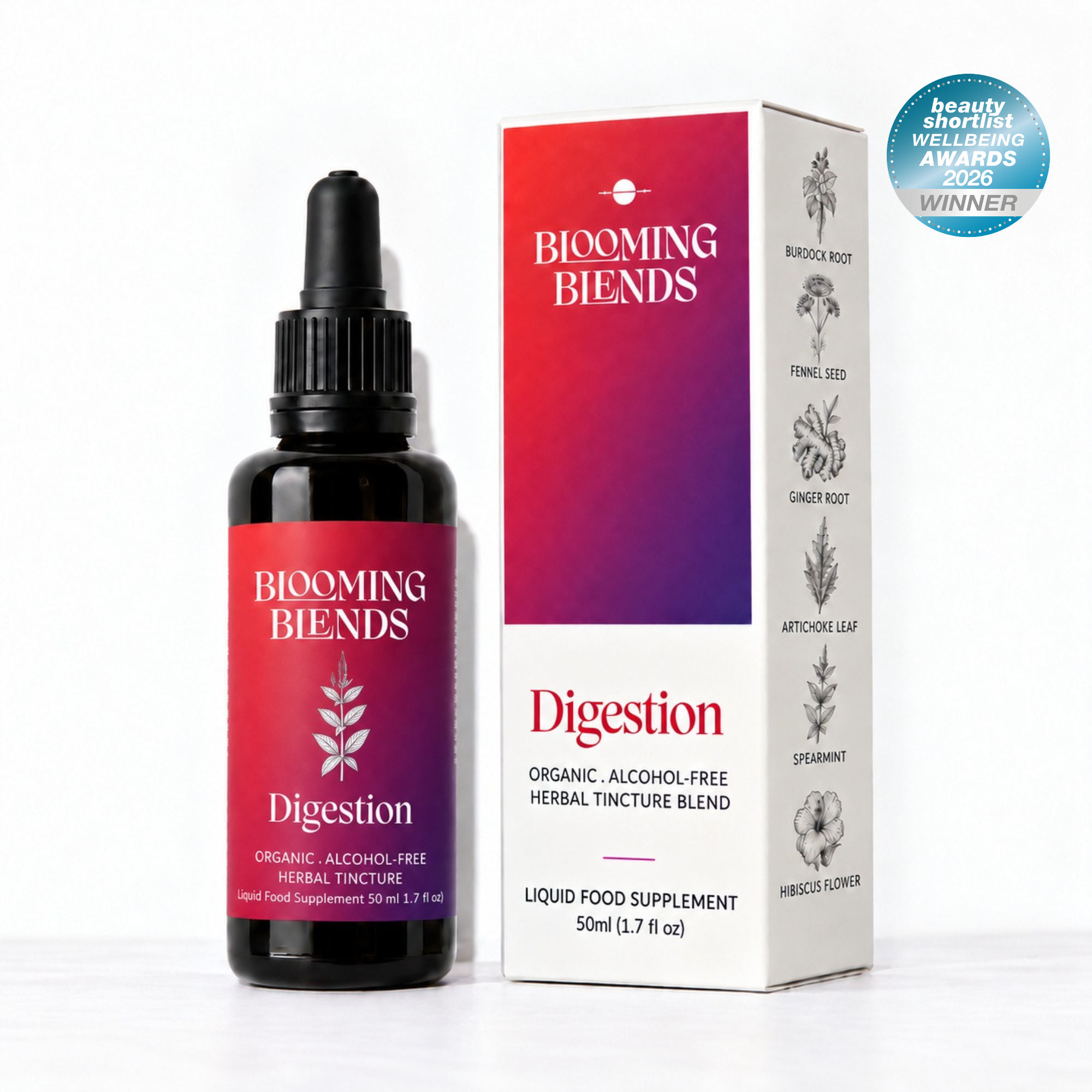
On evidence, it is worth being clear about what exists.
Watch out: a blend named for digestion is not automatically suitable if you have a diagnosed digestive condition or take regular medication. Check the label cautions and speak to a pharmacist or GP before starting.
Choosing Herbal Tinctures for Immune Support
"Immune support" is the loosest phrase in the herbal aisle. No tincture can promise to stop you catching a cold, and any bottle that implies otherwise is worth putting back on the shelf.
Look at the plant parts, not just the plant. Elderberry, for example, is usually made from the fruit, while some other herbs are made from root, leaf or flower.
Separate tradition from trial evidence. This is the most useful habit you can build.
- Elderberry has a long traditional use during the colder months. Some small human studies suggest it may shorten the duration of cold symptoms, but the trials are varied in size and design, and results are not consistent enough to promise an outcome.
- Ginger is traditionally used for warmth and settling the stomach, with reasonable evidence for nausea in specific settings such as travel sickness, not for immunity as such.
- Rosehip is a traditional source of vitamin C. That is a nutrition fact rather than an immune claim, and the amount in a serving varies by product.
A summary from the Oncology Nursing Society noted that clinical studies suggest one herb may stimulate the immune system and may help prevent the common cold, but that strong data are lacking (Oncology Nursing Society summary on herbal supplements for immunity(EXTERNAL_LINK: Oncology Nursing Society summary on herbal supplements for immunity | ons.org)).
Compare serving size and bottle size. A 50 ml bottle with a 1 ml serving gives fifty servings. A 30 ml bottle with a 2 ml serving gives fifteen.
Check allergens, vegan suitability and carrier. Glycerine is common in alcohol-free tinctures; ours is made from British rapeseed.
Our DEFEND Tincture is a straightforward example to compare against. You can view the Defend immune support tincture in full, including current directions.
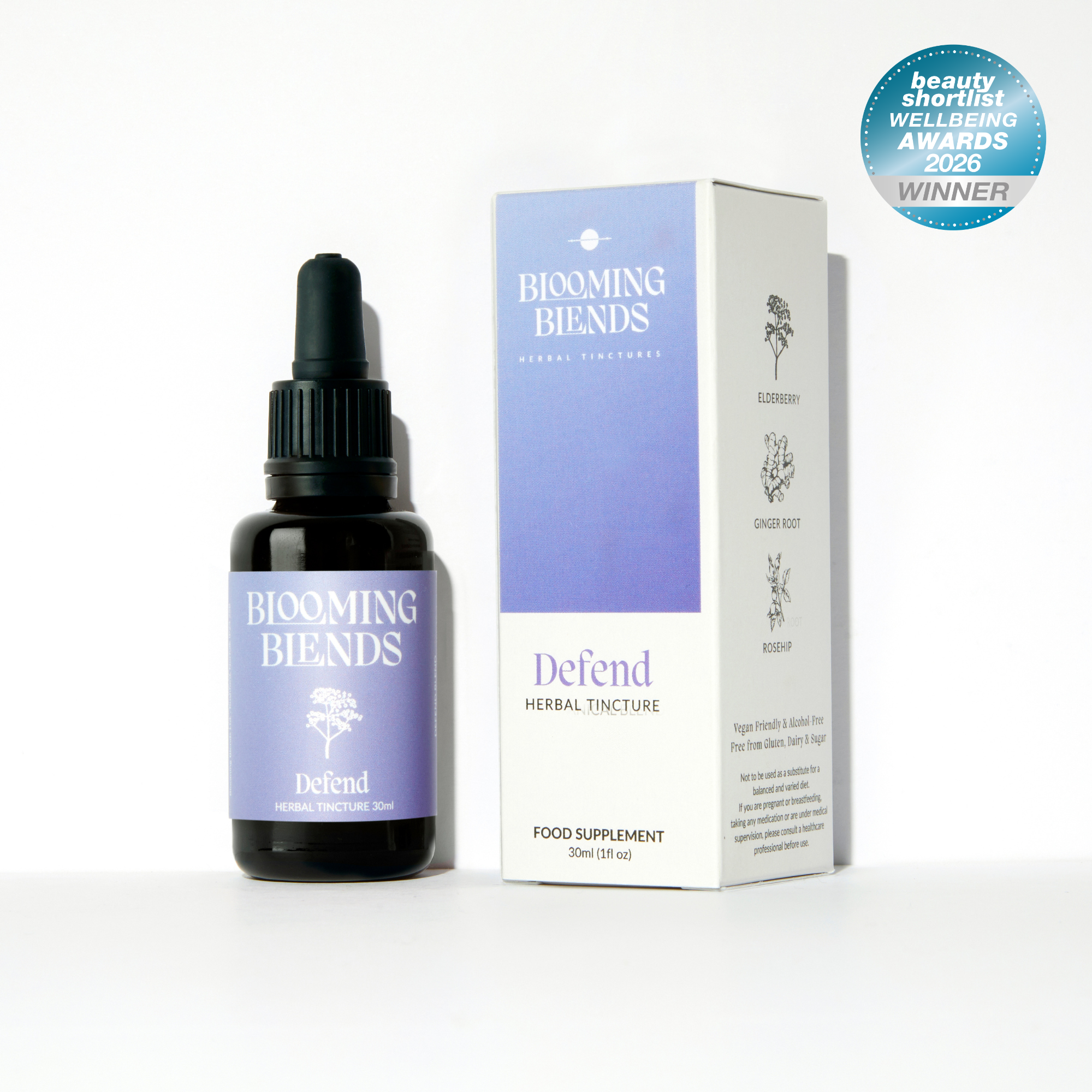
Why a bundle can make sense here. Some people look for support across both digestion and seasonal comfort, and a bundle lets you consider both without buying blind.
Watch out: if you take immunosuppressant medication, are pregnant or breastfeeding, or have an autoimmune condition, speak to a qualified healthcare professional before starting any herbal supplement.
How to Take Herbal Tinctures Safely
Taking a tincture safely starts with the label on your own bottle. Serving sizes, methods and frequency vary between products and bottle sizes, so follow the directions printed there rather than any general rule.
A practical sequence:
- Read the label first. Note the serving in millilitres, how often to take it and any cautions.
- Measure with the dropper. Do not assume a full dropper equals 1 ml; dropper capacities differ.
- Take it as directed. Where the label supports it, that may mean directly or mixed into a little water.
- Pick a time that fits the directions. Digestion, for example, is taken around mealtimes.
- Store it properly. Close the bottle tightly and keep it away from heat and direct sunlight.
Droppers can differ in size, so a dropperful may mean different amounts. Measuring in millilitres, as your label states, avoids that.
For more on daily dosing and timing, read our guide to taking herbal tinctures daily.
Taking a tincture safely comes down to following the directions on your own bottle, step by step.
| Step | What to do | Note |
|---|---|---|
| 1 | Read the label first | Note serving in millilitres, frequency and cautions |
| 2 | Measure with the dropper | Do not assume a full dropper equals 1 ml |
| 3 | Take it as directed | May mean directly or mixed into water |
| 4 | Pick a time that fits the directions | Digestion is taken around mealtimes |
| 5 | Store it properly | Keep away from heat and direct sunlight |
Herbal Supplements and Medication Interactions to Check
Liquid herbs are not automatically suitable for everyone. Some herbs can interact with prescribed medicines, and individual reactions vary.
Before you start, check the label for cautions. If you take medication, are pregnant or breastfeeding, or have a health condition, speak to a qualified healthcare professional or pharmacist before using any herbal supplement. Do not stop or replace prescribed treatment on the basis of a tincture.
A 2024 review in Nutrients looked at how herbs and spices may affect the gut microbiota during ageing (review of herbs, spices and gut microbiota(EXTERNAL_LINK: review of herbs, spices and gut microbiota | mdpi.com)). Useful context, but it does not tell you whether a specific blend is right for you.
Find Your Blend
If you would like both sides of the pairing in one go, the Gut & Immunity Bundle brings DEFEND and our certified organic DIGESTION together. It is a straightforward starting point for changing seasons and everyday comfort, and it is priced at £52.00, saving £6 compared with buying the two bottles separately.
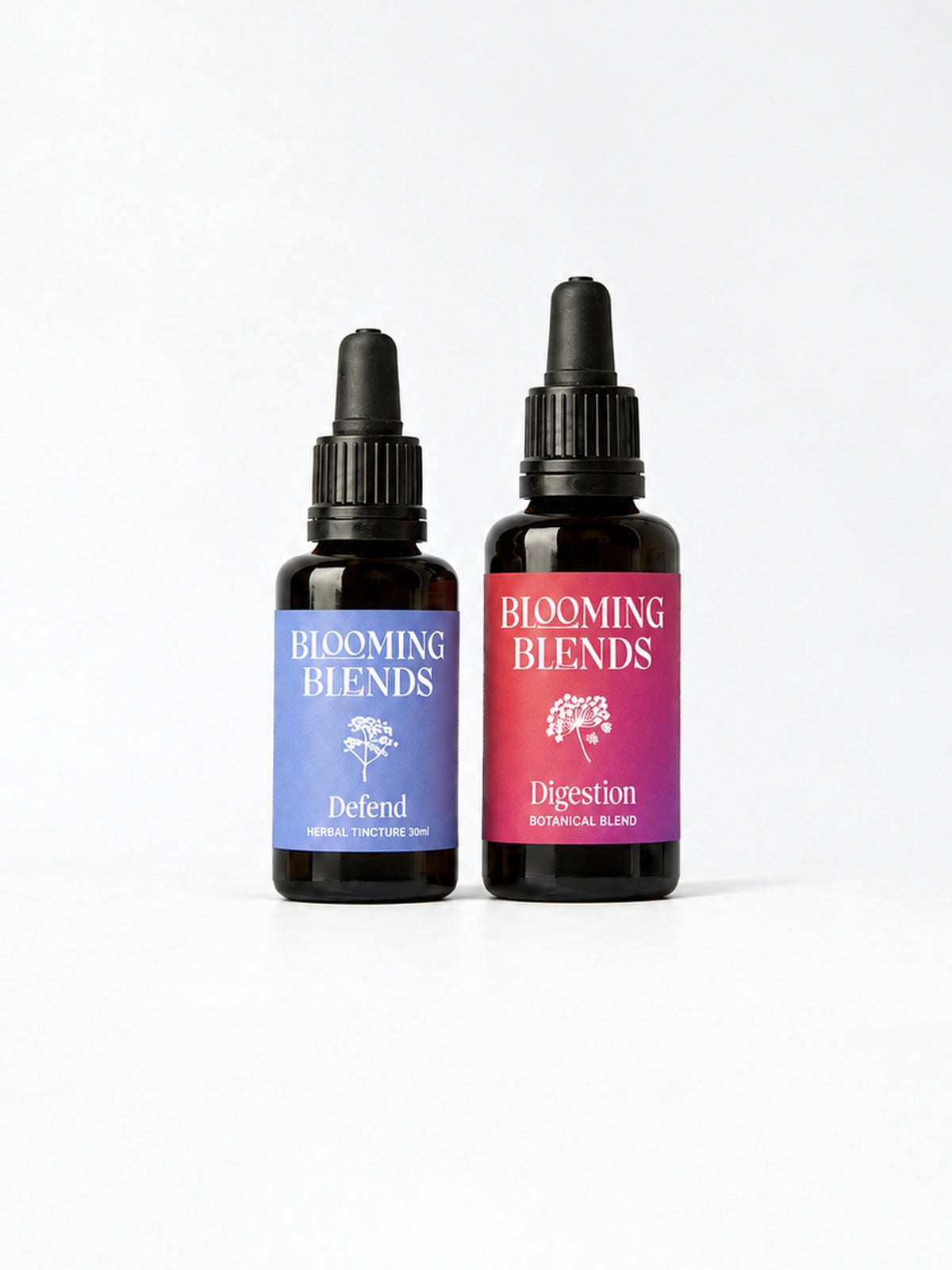
Our advice is simple: start with one set, read both labels, measure each serving, and give yourself a few weeks of consistent use before deciding how it fits your routine. If you would rather begin with a single blend, browse the full collection and choose the one that matches the time of day you need it most.
Choosing well comes down to reading labels closely and being honest about what you need. At Blooming Blends, we make alcohol-free tinctures in small batches with whole herbs, finished with glycerine made from British rapeseed, and we list exactly which herbs are in each serving. Our Organic Trio brings Nighttime, CALM and DIGESTION organic tinctures together, so you can check certification on the specific blend you choose. Get started with Blooming Blends and find the blend that fits your everyday routine.
Frequently Asked Questions
How do I measure a serving of a herbal tincture?
Always follow the serving shown on your bottle label, measured in millilitres rather than a vague dropperful. Dropper sizes can differ between bottles, so a full dropper does not always equal 1 ml. If the label on your bottle is unclear, contact the maker before you start rather than guessing.
Can you take more than one herbal tincture at a time?
It depends on the products and your circumstances. Do not combine blends unless the maker's guidance or a qualified healthcare professional confirms it is suitable for you. If you are taking prescribed medication, are pregnant or breastfeeding, speak to a pharmacist or GP before using more than one. Keeping a simple note of what you take and when makes any conversation with a healthcare professional easier.
Do I need to take a herbal tincture every day?
Follow the frequency stated on your bottle label rather than assuming daily use is required. Some people take a blend at a particular moment, such as a mealtime, while others prefer a more regular pattern. Never increase the serving or take it more often than the label advises. If you miss a serving, simply return to your usual routine rather than doubling up.
Are herbal tincture bundles suitable for everyone?
No. Herbal products are not suitable for everyone, and natural does not mean risk-free. Check the ingredients list for anything you react to, and speak to a qualified healthcare professional first if you take medication, are pregnant or breastfeeding, or have a health condition. If you want an alcohol-free tincture, check the label states it is alcohol-free, and look for organic certification on the specific blend you choose.


Written by Fleur Sladen